Over the years we’ve seen the good, the bad and the ugly when it comes kits being launched, from sitting on a car bonnet, celebrity supporters being kitted out in the new shirt, to page three stunners modelling the latest arrival to the club shop. We take a lookback through the decades and take a peek at just a few of the classics.
Replica kits have been produced by the sportswear brands since the 1950’s but they initially targeted the junior members of the fanbases, it wasn’t until the 70’s that reproduction shirts started to become more and more popular. Pioneer brands such as Admiral, Bukta and Umbro would start to manufacture the adult and junior shirts in more volume which led to them making a more more prominent appearance on the terraces. The kit launch adverts of the 70’s would be focussed on the iconic players like Peter Osgood at Chelsea whereas Leeds United would featured the entire team put together by the legendary Don Revie. Whilst Leicester City initially used the maverick striker Frank Worthington to promote the new shirt, the foxes where one of the first to go down the sex sells route when showcasing the new 1973 strip at Filbert Street.


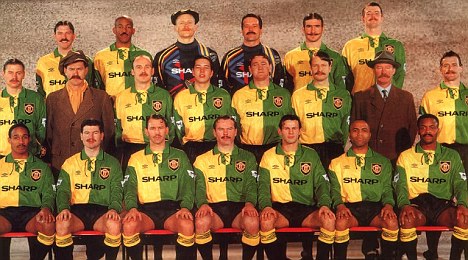
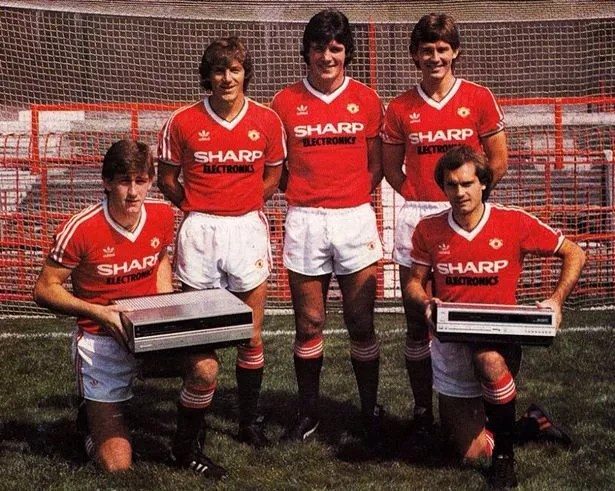
The rise of hooliganism in the 80’s certainly curtailed the growth of the football shirt market with fans being more reluctant to wear club colours at the ground due to fear of reprisals. However, the 80’s did see the significant growth in shirt sponsorship deals and the clubs would often jointly promote the new shirts with the products that sponsored the club, check out Manchester City and Manchester United promoting cars and VCR’s. Smile for the camaras fellas!

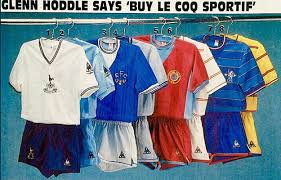
Thankfully a decline in hooliganism on the terraces and around the forecourts of the stadiums around the country did help to see the growth in shirt sales return. This was amplified by the growth of the fanzine subculture which helped to propel the resurgence of the replica football shirt market and Umbro, Admiral, Hummel, Le Coq Sportif and Adidas amongst others took full advantage. The roll out of kit templates had begun as shown in the the adverts below. The use of females continued within the kit launches as witnessed with the launch of the classic England 1982 shirt ahead of the World Cup in Spain. Was it a ‘sex sells’ approach or did Admiral try to promote the unisex angle? Answers on a postcard.



Onto the next decade, and the 90’s certainly didn’t disappoint in provided a new era for the game with the introduction of the Premier League and essentially televised football on tap. This exposure raised the popularity of the game which therefore helped drive shirt sales. The improvements in manufacturing capabilities helped the brands be more creative with the kit designs and this particular decade didn’t disappoint, producing some of the most iconic shirts ever produced. The clubs we’re not slow on capitalising on this opportunity and by the end of the 90’s most clubs would introduce a new home and away strip every season. It became a huge revenue maker for the clubs in terms of sales and sponsorship partnerships.


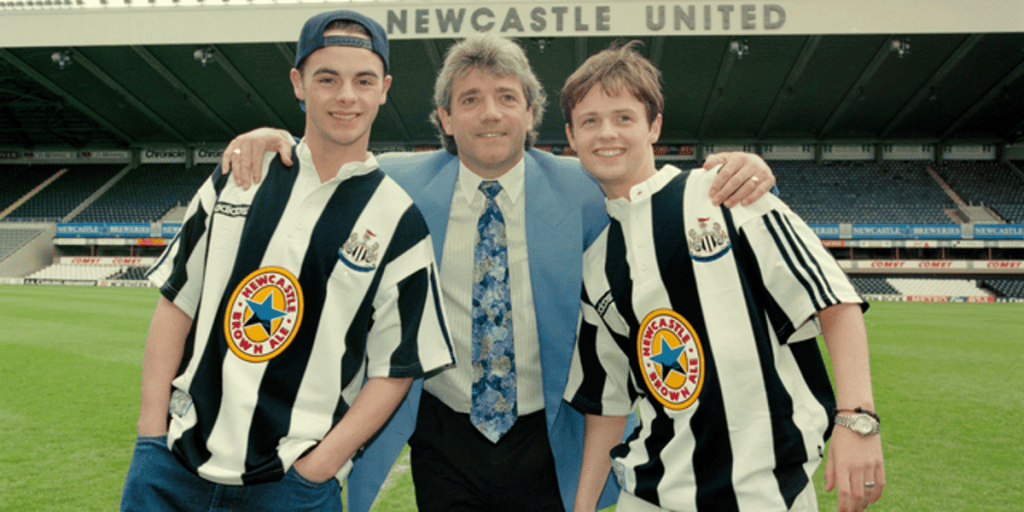

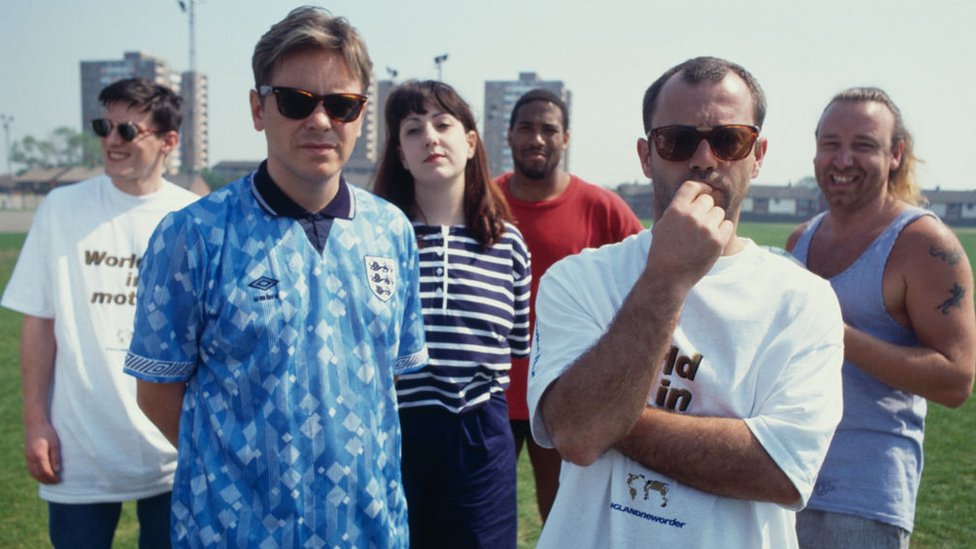
With it being big business the clubs started to invest more and more in it’s marketing of the new strips and thus kit launches in the summer became more and more elaborate, from the sublime to the ridiculous. From Byker Grove actors, Ant and Dec helping to launch the Newcastle United shirt to players sharing a shirt made for two at Arsenal, nothing seemed to be off the marketeers realm. Umbro quickly realised that music and football was a partnership made in heaven and they spearheaded the joint pop culture with 90’s bands like New Order, Lightning Seeds and Oasis helping club and country to launch shirts.


Into the noughties and beyond, and shirt sales haven’t slowed down as the clubs further widen their retail ranges including training collections, specialist European shirts, 3rd and 4th strips, fashion apparel to all help swell the commercial coffers. Somebodies got to pay these players wage, right!
To stand out from the competition, the marketeers have tried to be more and more innovative and elaborate which sometimes works but quite often backfires. The Paddy Power spoof sponsorship advert with Huddersfield Town was a huge success whereas the recent Juventus campaign with players dressed as clowns was on the other end of the scale. Ayr United went old school down the ‘sex sells’ route with a body paint kit whereas Dortmund created the new shirt through flowers. Very few words can describe the Bayern Munich launch in 2008, non of them would be positive.
What is your favourite kit launch advert? Please feel free to add your favourites in the comments below!


SHOP the biggest collection of replica shirts at 3Retro.com

 thehexblog.com