

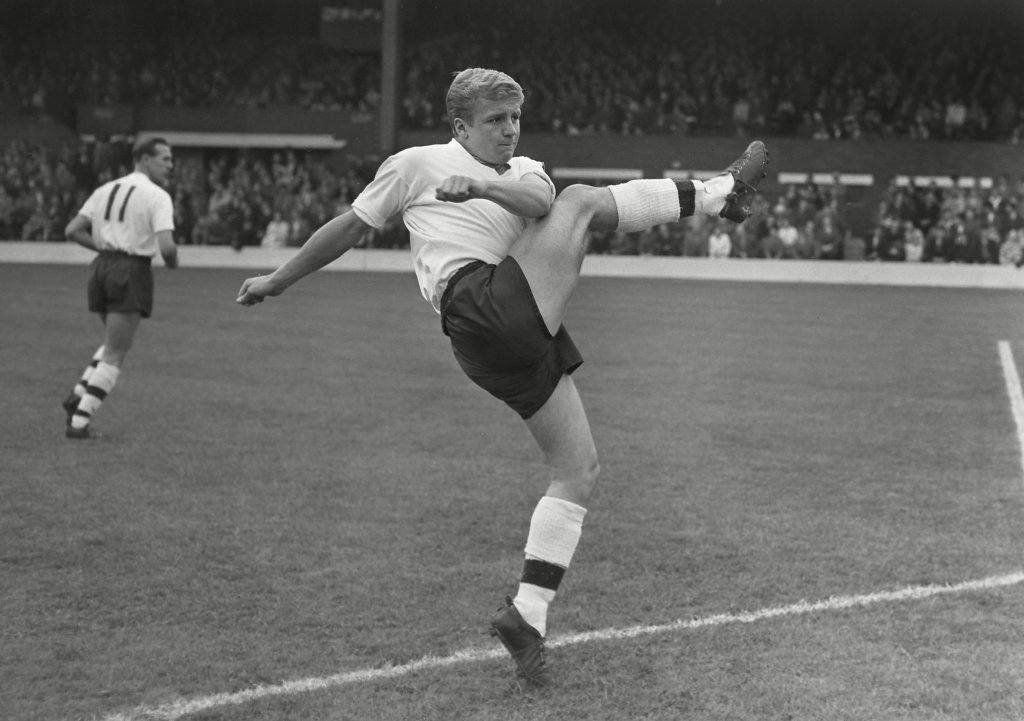

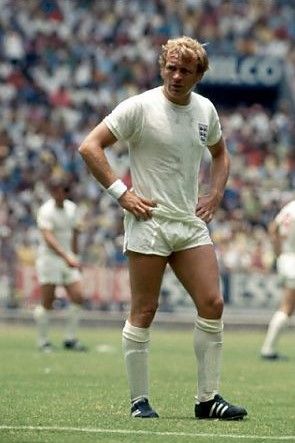

Born in the midst of World War II, in 1944, Francis Henry Lee rose from the quiet town of Westhoughton, Lancashire, to become one of English football’s most influential figures. His journey, marked by audacity on the field and ambition off it, remains a testament to the golden era of English football.
Early Beginnings:
Starting his professional career at Bolton Wanderers in 1959, Franny Lee made a dream debut a year later playing upfront alongside Trotters legend Nat Lofthouse and scoring against his future employers Manchester City. He quickly showcased his penchant for goal-scoring and during his seven seasons at Burnden Park, he’d net an incredible 106 goals in 120 appearances. It was evident that this young Lancashire lad was destined for greater glories.
Manchester City’s Golden Boy:
In 1967, Joe Mercer broke Manchester City’s transfer record with a £60,000 deal which saw Francis Lee don the sky-blue shirt, where he would carve his legend. Teaming up with Colin Bell and Mike Summerbee, the trio formed an attacking trident that terrorized English defences. Their chemistry was palpable; together, they brought silverware to Maine Road.
The 1967-68 season was a highlight, with City clinching the First Division title. Lee’s daring runs, sharp shooting, and audacious dives in the penalty box were instrumental. So much so, that his uncanny ability to win penalties led fans and pundits alike to cheekily nickname him “Lee Won Pen.” But it wasn’t just the league where Lee left his mark. Manchester City’s FA Cup triumph in 1969 and their Cup Winners’ Cup and League Cup victories in 1970 further sealed his legacy at the club.
Representing the Three Lions:
On the international stage, Lee proudly represented England 27 times. His international debut in 1968 against Czechoslovakia was memorable, and he became a staple for the Three Lions, featuring in the UEFA European Championship in 1968 and the World Cup in Mexico in 1970. While England’s defence of their World Cup title was unsuccessful, Lee’s contributions were notable.
A New Chapter at Derby County:
By 1974, Lee decided to embark on a new challenge, joining Derby County. Though his time at The Baseball Ground was shorter, it was no less illustrious. Under the leadership of the iconic Dave Mackay, Lee’s veteran presence and keen footballing mind played a pivotal role in Derby’s First Division title win in the 1974-75 season.
Life Beyond the Pitch:
Lee’s passion for football extended beyond his playing days. In the 1990s, he took the helm of his beloved Manchester City as chairman. His tenure was marked by significant challenges, particularly as the club faced relegation and financial turmoil. However, Lee’s commitment was unwavering, showcasing the same determination he displayed as a player.
Legacy and Influence:
Francis Lee’s story is a riveting chapter in the annals of English football. His flair on the pitch, combined with his dedication off it, highlights a time when football was as much about passion as it was about skill. Today, as the sport has evolved, stories like Lee’s serve as poignant reminders of the individuals who shaped football’s rich tapestry in England and beyond.
| Club/Team | Years | Appearances | Goals |
|---|---|---|---|
| Bolton Wanderers | 1959-1967 | 120 | 106 |
| Manchester City | 1967-1974 | 249 | 112 |
| Derby County | 1974-1976 | 80 | 30 |
| England (National Team) | 1968-1972 | 27 | 10 |
| Total | 476 | 258 |
Club Honours:
Manchester City:
First Division: 1967–68
FA Cup: 1968–69
League Cup: 1969–70
European Cup Winners’ Cup: 1969–70
Derby County:
First Division: 1974–75
International Honours:
England:
UEFA European Championship: Third place – 1968
Lee also represented England in the 1970 World Cup in Mexico, where the team reached the quarter-finals but did not win the tournament.
It’s worth noting that while these are the primary honours he won, Lee’s impact on the clubs he represented and the English national team goes beyond just trophies. His contributions helped shape successful periods for both Manchester City and Derby County, and his influence is still remembered fondly by fans of both clubs and the English footballing community at large and has been recognised royally with a CBE ‘Commander of the Most Excellent Order of the British Empire’.

SHOP the official Manchester City retro collection at 3Retro.com

 thehexblog.com