
The famous double diamond of Umbro is synonymous with football heritage. Founded in 1924 by brothers Harold and Wallace Humphreys of Wilmslow, Cheshire, England, the name “Umbro” is derived from “HUMphreys BROthers.” The company initially focused on manufacturing apparel for football teams, which was the sport of choice in the UK and a growing market worldwide.


Early Years (1920s – 1940s)
Umbro started small, producing high-quality football kits. They gained a reputation for innovation and design, creating the first-ever football-specific shorts and introducing the iconic diamond-patterned jersey, which became a hallmark of their brand. In the 1934 FA Cup Final, both Manchester City and Portsmouth wore Umbro kits, bringing significant attention to the brand. In the mid 30’s Umbro also ventured into Rugby also with a wide selection of jerseys, “ruggernicks” (shorts) and “hosiery” (socks), as they were called back in the day. During this period Umbro supplied kits for some of the biggest teams in the football league during that time including Tottenham Hotspur, Manchester United, Preston North End and Blackpool to name a few.


The War Year’s
During World War II, the sports world came to a halt but that didn’t mean the Umbro manufacturing came to an end. They diversified and went into uniform production for the allied forces as well as making interior fittings for the Lancaster bombers.

Post-War Expansion (1950s – 1960s)
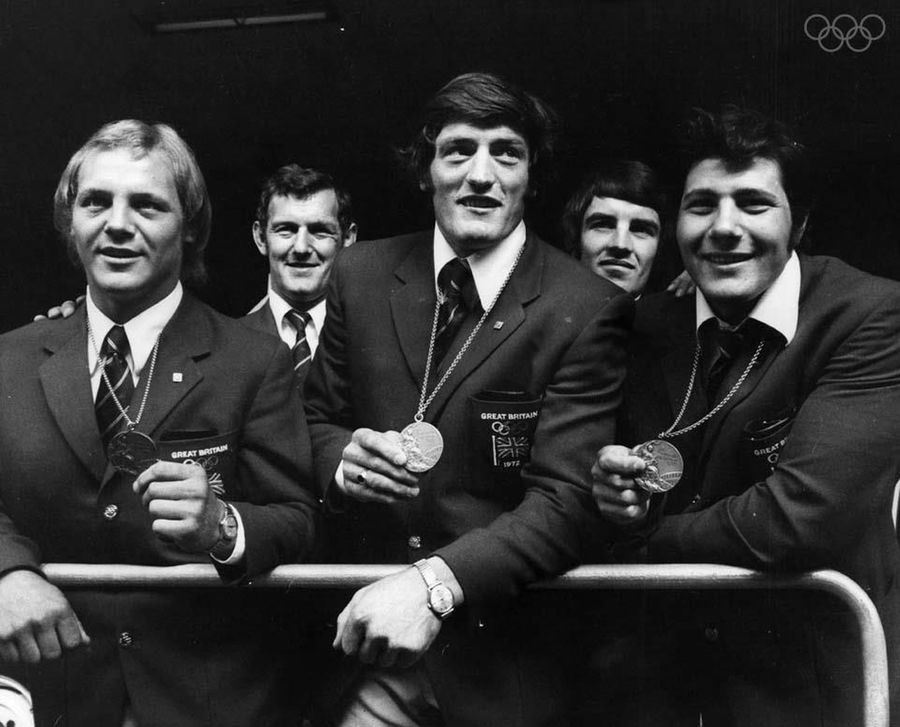
After World War II, Umbro expanded its presence in the football market and they provided kits for prominent football clubs like Manchester City and the England national team. They also provided the kits for the British Olympic team in 1952 and continued to do so for another 20 years. By the late 50’s, the sportwear brand has started to produce replica kits for juniors so younger fans could emulate their favourite players by wearing the same kits.
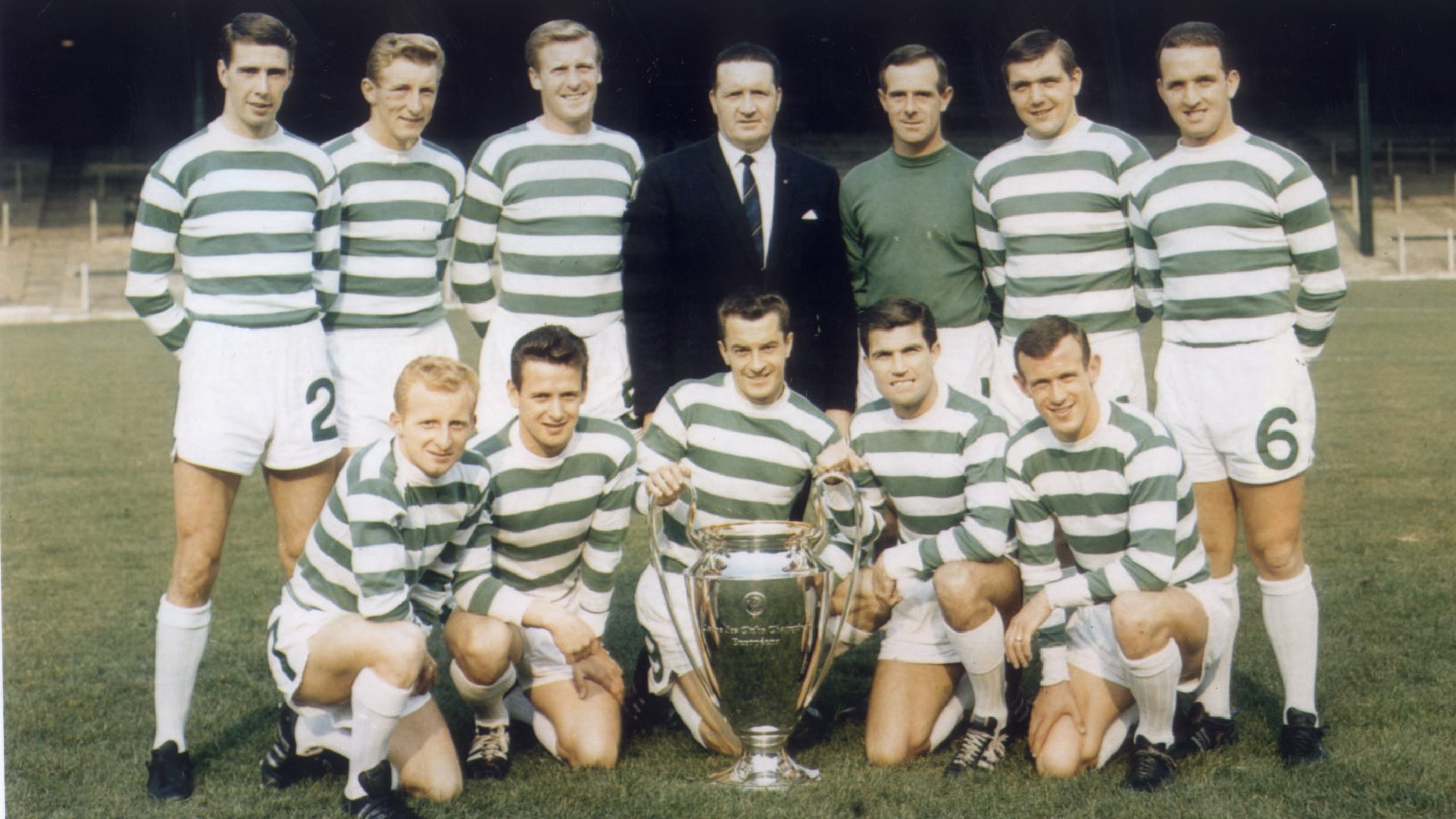
The brand’s quality and reputation continued to grow on a international level too as they provided kit for World Cup winners Brazil in 1958 and England in 1966. By the late 1960s, 85% of British football teams wore kits manufactured by the company, including Celtic, the first British team to win a European Cup in 1967.

Global Reach (1970s – 1980s)
The 1970s marked Umbro’s foray into international markets. They signed kit sponsorship deals with various football teams worldwide, expanding their reach beyond the UK. During this period, Umbro’s kits were worn by iconic players such as Pelé and Diego Maradona. The all conquering Liverpool side or the era managed by Bob Paisley wore Umbro as they dominated the European and domestic competitions.
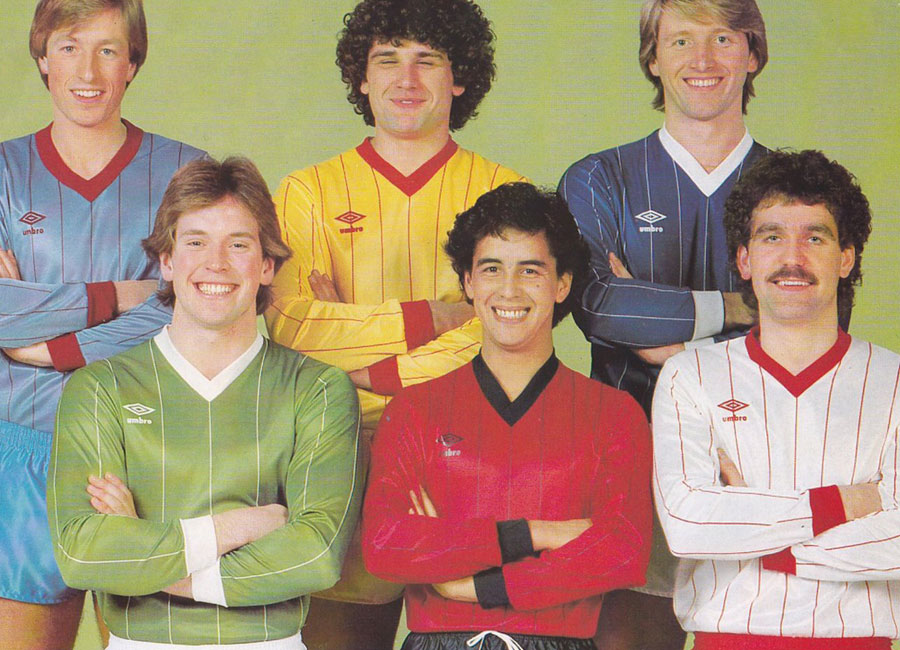
Not only did Umbro kit out the elite stars and the professional teams but the templates strips furnished out the amateur leagues and pub teams up and down the land. The shirts during this period also started to take on more adventurous design features with various collar styles and the iconic double diamond tape running down the sleeves. The product development team also started to design and manufacture other types of sports equipment like footballs and boots.

1990s – A Decade of Growth
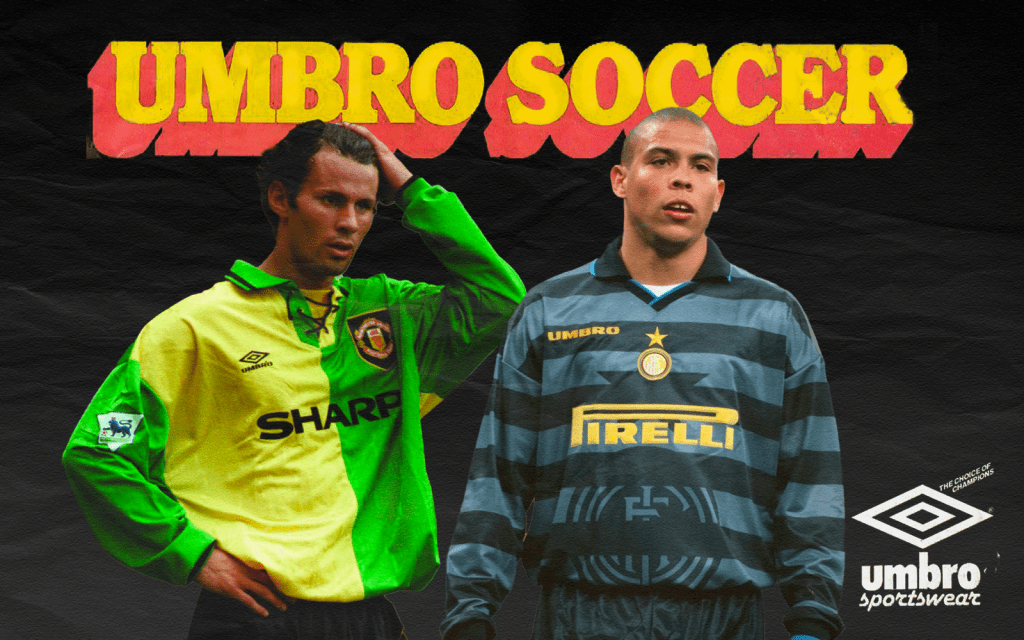
The 1990s were a pivotal decade for Umbro. The innovation continued with the introduction of polyester and new technologies like “Double Diamond,” which improved the performance and comfort of their sportswear. This replaced the traditional cotton manufacture and enabling the design teams flexibility to really up their game with some unique styles that have now become classic designs. During this period they we’re also the official kit supplier for the England national team and created masterpiece collections for the Italia 90 and Euro 96 campaign’s. This is a partnership which would flourish for 28 years. During this period they’d certainly lived up to their strapline of ‘The Choice of Champions’.
Ownership Changes (2000s – 2010s)
Umbro went through several ownership changes during this period. In 2008, Nike acquired Umbro, hoping to strengthen its presence in the football market. However, in 2012, Nike decided to sell Umbro to Iconix Brand Group, leading to a shift in the brand’s focus.

Decline and Revival (2010s – Present)
Umbro faced challenges in the 2010s, with declining market share and competition from other sportswear brands. However, they continued to design and produce football kits, focusing on heritage and retro collections, which appealed to fans of the brand’s history. Umbro has made efforts to re-establish itself in the football market but it’s a completely different landscape to the market they dominated for so many years.
Legacy and Heritage
Umbro’s legacy in football is undeniable. The brand’s historical significance, iconic designs, and contributions to the sport have left a lasting imprint. Today, Umbro maintains a presence in the sportswear industry, primarily focusing on football apparel and footwear which are sold into over 100 countries worldwide. Umbro has a storied history that spans a century, marked by innovation, iconic designs, and a strong presence in the football world. While the brand has faced challenges and ownership changes in recent years, it continues to be recognised and appreciated globally for its historical contributions to sportswear.
What is your favourite Umbro manufactured football shirt?

SHOP a huge range of Umbro Sportswear and retro shirts at 3Retro.com

 thehexblog.com