
The FA Cup, the World’s oldest football competition, has a rich history marked by memorable moments and significant changes. While many fans are familiar with its illustrious finals and dramatic upsets, there’s a lesser-known chapter in its history: the introduction of third/fourth-placed playoffs in the 1970s. In this blog post, we delve into this intriguing period and uncover the reasons behind this unique addition to the tournament.
The Context:
The 1970s was a decade of innovation and experimentation in football. The sport was evolving, both on and off the pitch, with new ideas and formats being explored to enhance fan engagement and competitiveness. It was against this backdrop that the Football Association (FA) decided to introduce third/fourth-placed playoffs in the FA Cup.
The Concept:
The concept of third/fourth-placed playoffs aimed to add an extra layer of excitement to the FA Cup competition. After the semi-final stage, the losing teams would face off in a playoff match to determine the third and fourth positions in the tournament. This was a departure from the traditional setup, where losing semi-finalists would simply exit the competition without further play.
Implementation:
In 1970, the FA Cup playoffs were introduced for the first time, with the matches taking place at neutral venues. The inaugural third/fourth-placed playoff finals featured the following teams:
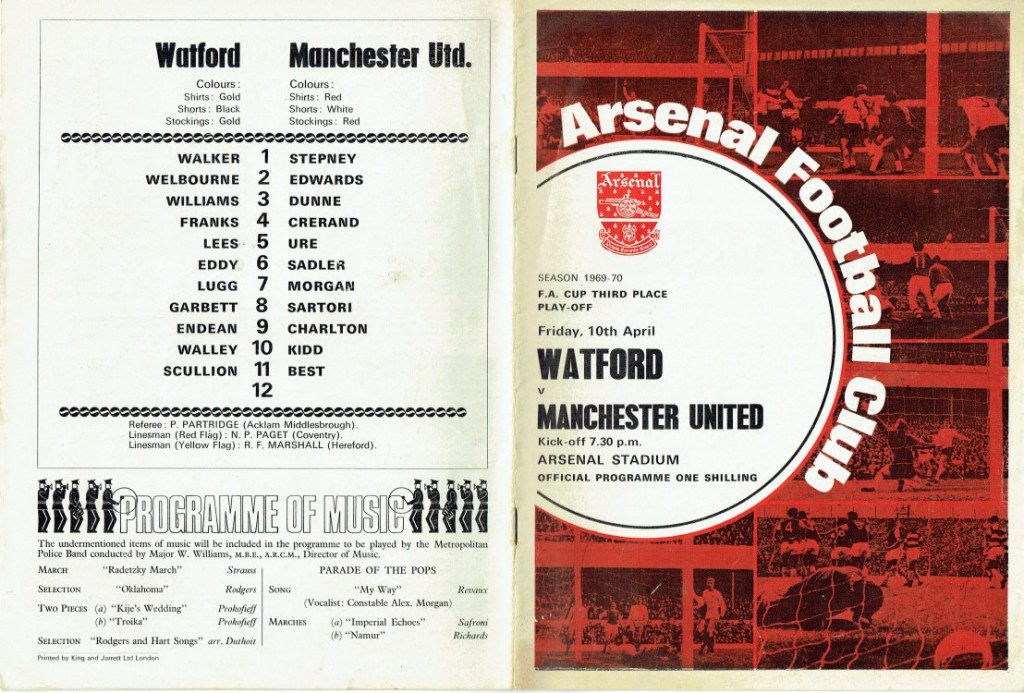
1970: Manchester United 2 Watford 0 (Highbury)
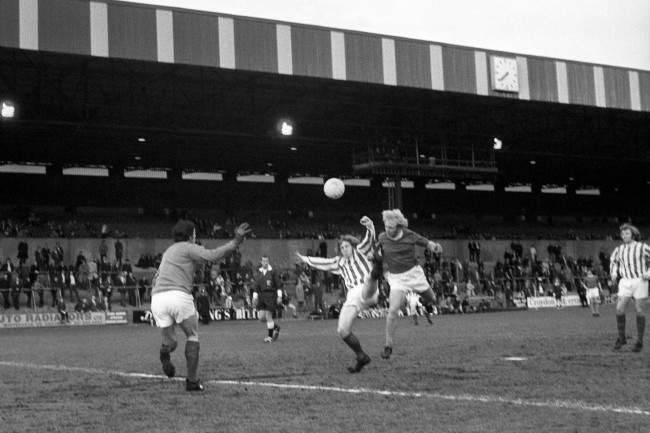
1971: Stoke City 3 Everton 2 (Selhurst Park)
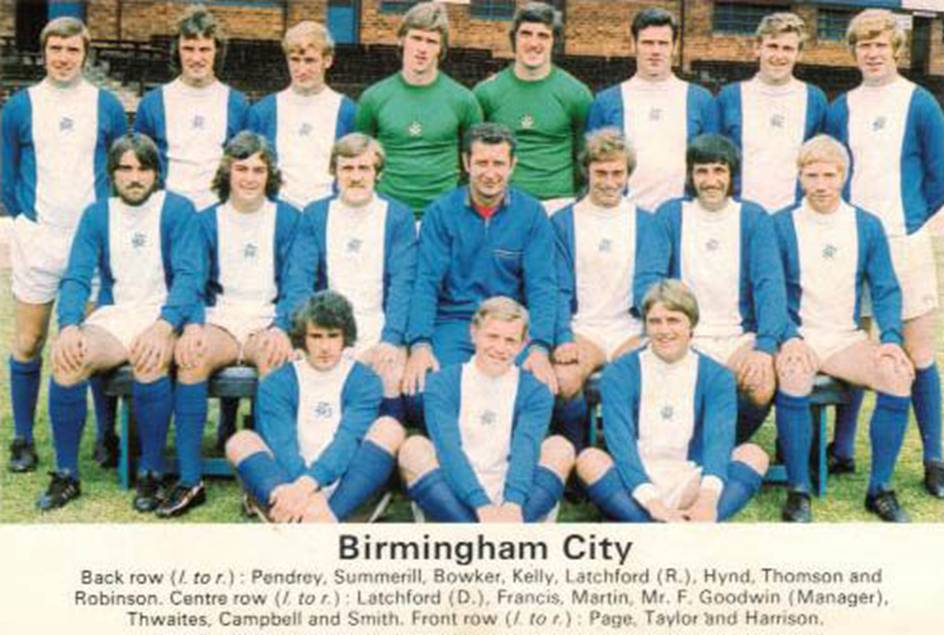
1972: Birmingham City 0. Stoke City 0 (St Andrews) – Birmingham won on penalties
1973: Wolverhampton Wanderers 3 Arsenal 1 (Highbury)
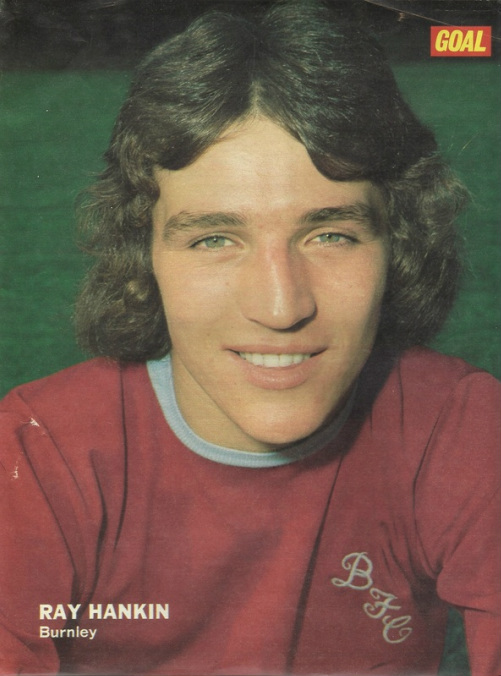
1974: Burnley 1 Leicester City 0 (Filbert Street)
These matches provided an additional opportunity for teams to showcase their skills and compete for a respectable finish in the prestigious tournament.
Impact and Reception:
The FA Cup play-offs generated significant interest and debate among football enthusiasts. While attendance figures were respectable, they fell short of the excitement generated by the main tournament matches. Critics argued that the playoffs diluted the prestige of reaching the semi-finals and detracted from the allure of the final.
Legacy:
Despite the initial enthusiasm, the FA Cup play-offs failed to become a permanent fixture in the tournament. After a brief stint in the 1970s, the playoffs were discontinued, and the competition reverted to its traditional format. However, the experiment provided valuable insights into fan preferences and the importance of maintaining the integrity and prestige of the FA Cup.
Conclusion:
The FA Cup’s third/fourth-placed playoffs in the 1970s remain a fascinating footnote in the tournament’s history. While they offered an intriguing twist to the traditional format, they ultimately failed to leave a lasting impression. Nevertheless, they serve as a reminder of football’s constant evolution and the ongoing quest to strike the right balance between tradition and innovation.
As football continues to evolve, it’s worth reflecting on these past experiments and considering how they have shaped the game we know and love today.






SHOP a huge collection of retro classics at 3Retro.com

 thehexblog.com