
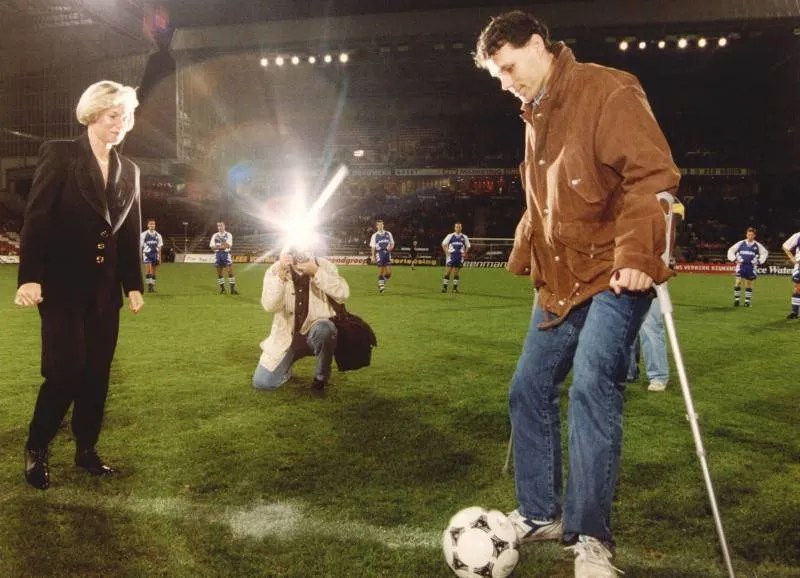
Football is a team game, but the absence of a key player due to injury can dramatically shift the fortunes of even the best squads. Whether it’s a world-class striker, a rock-solid defender, or a midfield maestro, losing a pivotal player can unravel a team’s strategy, momentum, and success. Throughout football history, there have been several examples of injuries to star players that not only sidelined their personal brilliance but also sent shockwaves through their teams’ performances. Here are some of the most significant instances where a footballer’s injury had a profound impact on their team.
1. Marco van Basten – AC Milan and the Netherlands
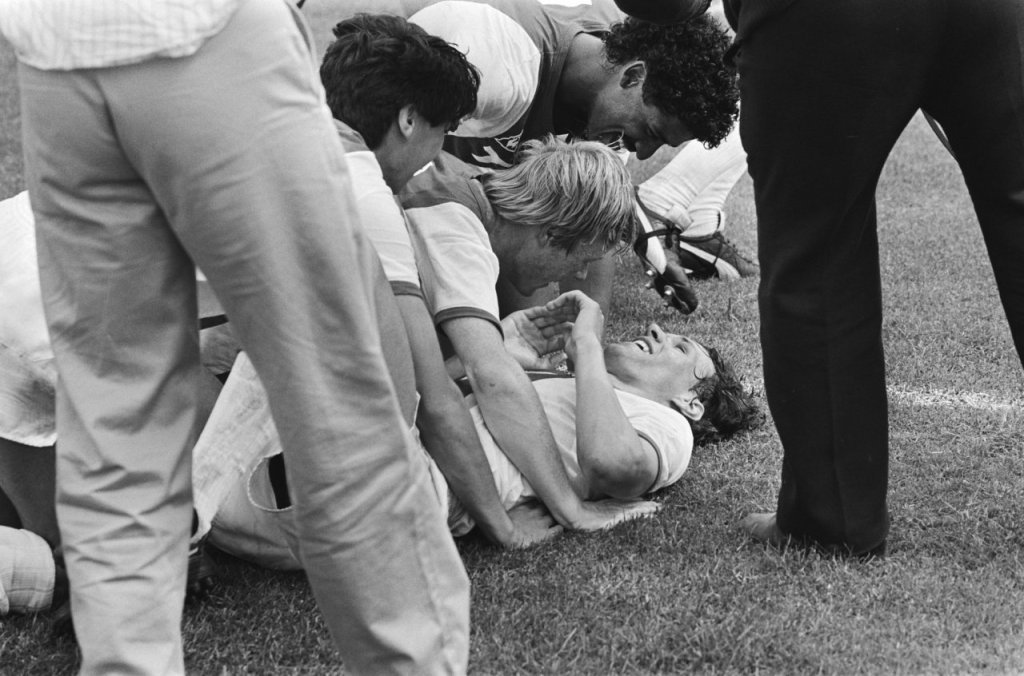
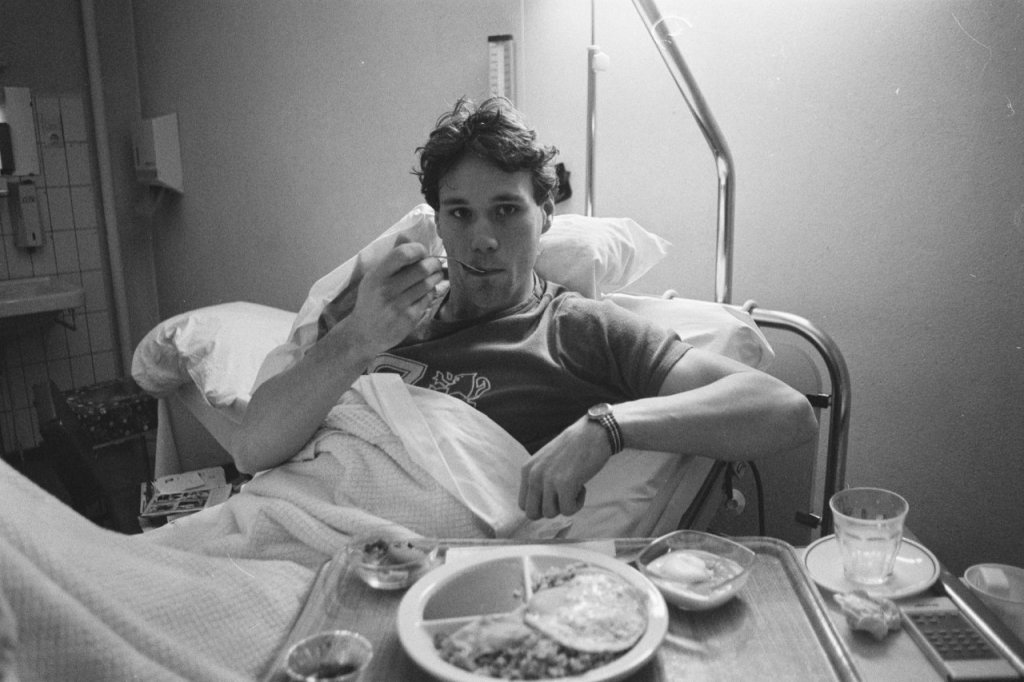
Few players have lit up European football like Marco van Basten. A three-time Ballon d’Or winner, the Dutch striker was known for his incredible technique, composure, and finishing ability. However, van Basten’s career was cruelly cut short by a series of severe ankle injuries. After leading AC Milan to two European Cups and multiple Serie A titles, van Basten’s injury woes culminated in a forced early retirement in 1995, at the age of just 30.
His absence left a void that AC Milan struggled to fill. While the team remained competitive, van Basten’s elite goal-scoring ability was irreplaceable, and his retirement marked the end of Milan’s dominant era in the early 90s. For the Netherlands, van Basten’s absence was felt even more deeply, as they never quite reached the same heights they had with him leading the line in the 1988 European Championship triumph.
2. David Beckham – England, 2002 World Cup
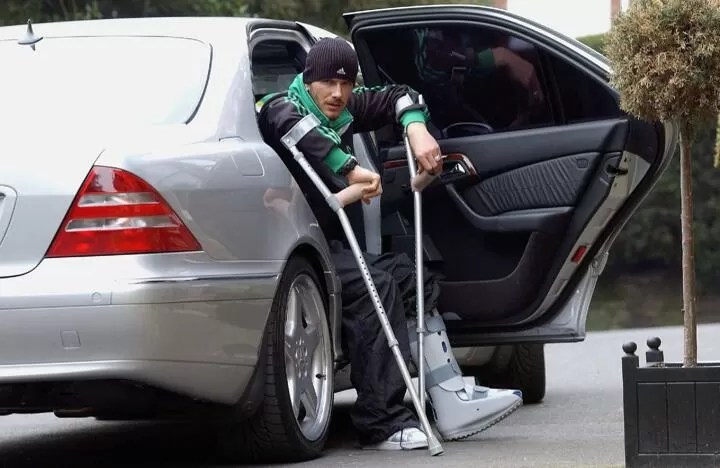
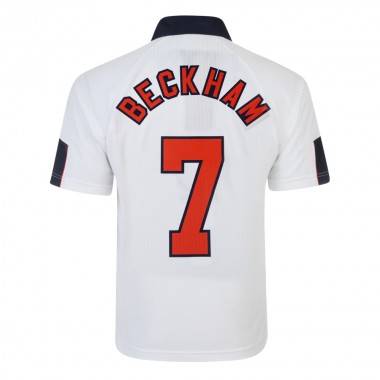
David Beckham’s broken metatarsal ahead of the 2002 World Cup was one of the most infamous injuries in football history. As England’s captain and talisman, his injury sent shockwaves across the nation. The media frenzy around Beckham’s foot was intense, with endless speculation about whether he would be fit for the tournament.
Although Beckham made it to the World Cup, he was never at full fitness. His reduced mobility and effectiveness had a noticeable impact on England’s performances. They bowed out in the quarter-finals to Brazil, with many feeling that a fully fit Beckham might have been the difference in that game. The injury highlighted just how reliant England were on their star player and what happens when a key figure is below their best in a major tournament.

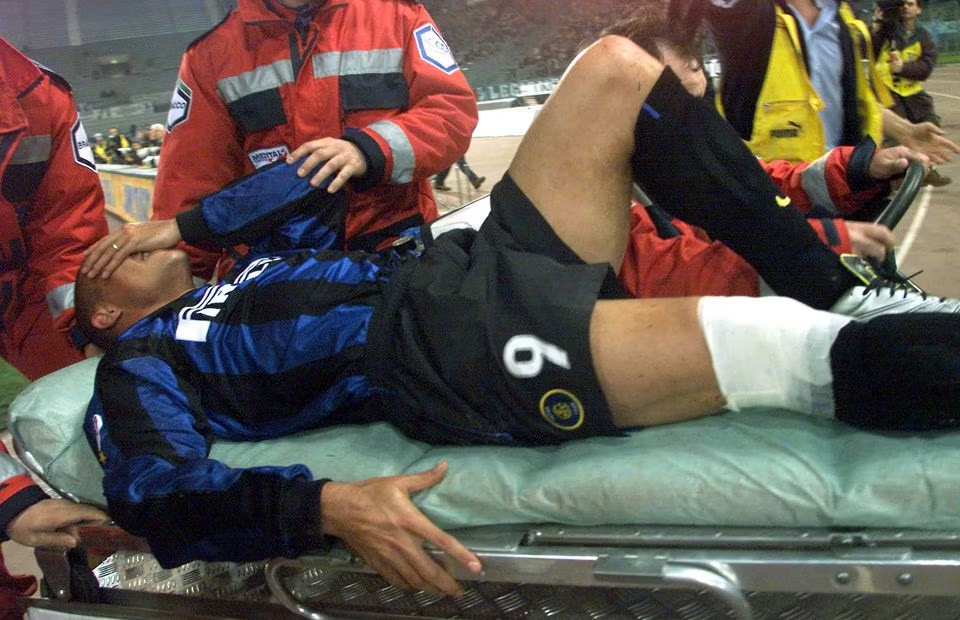
3. Ronaldo (Nazário) – Inter Milan and Brazil
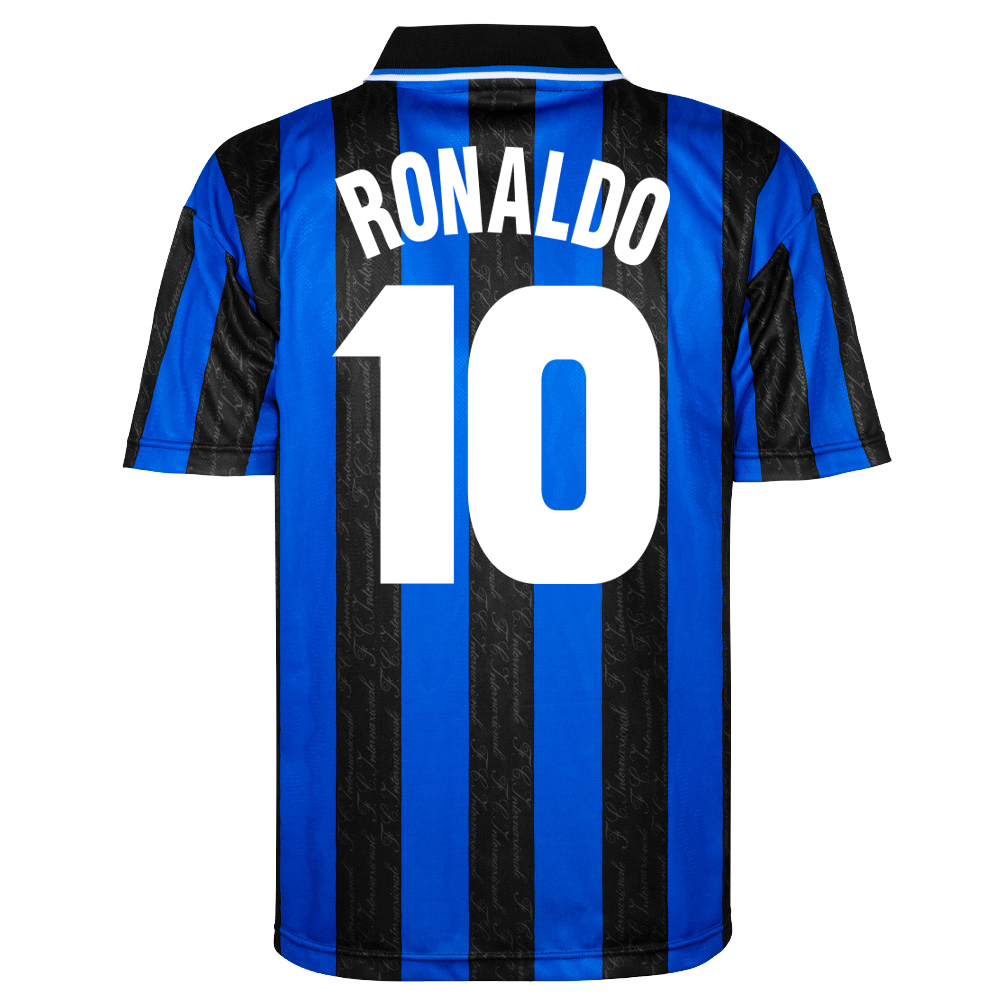
The Brazilian Ronaldo was a phenomenon in the late 1990s, dazzling fans with his incredible pace, dribbling, and lethal finishing. His time at Inter Milan was filled with spectacular goals, but also marred by one of the most devastating injuries in football. In 1999, Ronaldo suffered a horrific knee injury, and his attempted comeback in 2000 resulted in a ruptured knee tendon, forcing him out of action for nearly two years.
Inter Milan were never the same without him, struggling to find a consistent goal-scoring outlet, and their hopes of domestic and European success diminished without their star forward. While Ronaldo would later resurrect his career with Real Madrid and Brazil, leading his country to a World Cup win in 2002, his injury-ravaged period at Inter Milan marked a time of great ‘what ifs’ for the Italian giants.
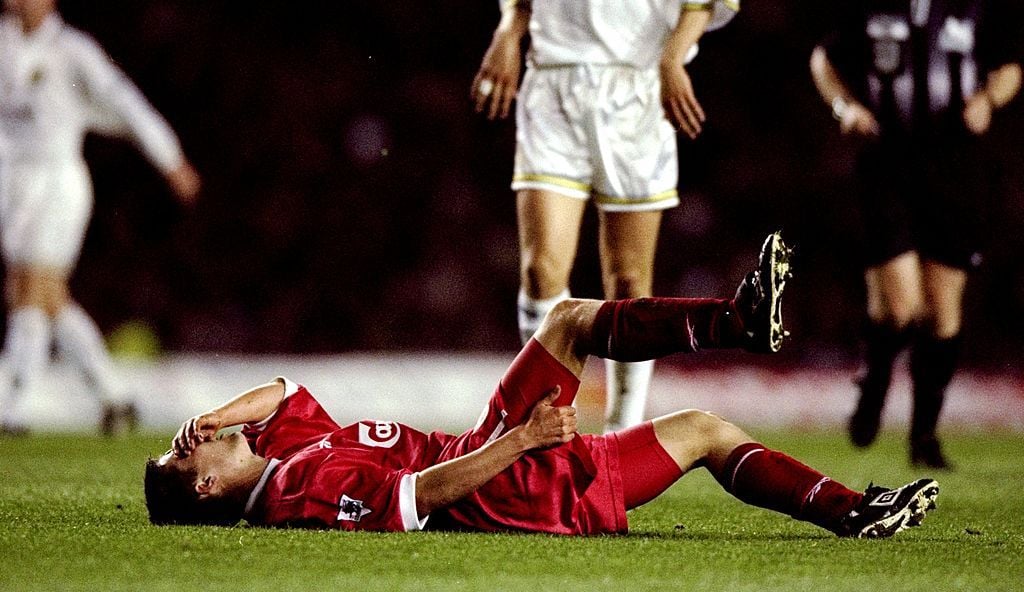
4. Michael Owen – Liverpool and England
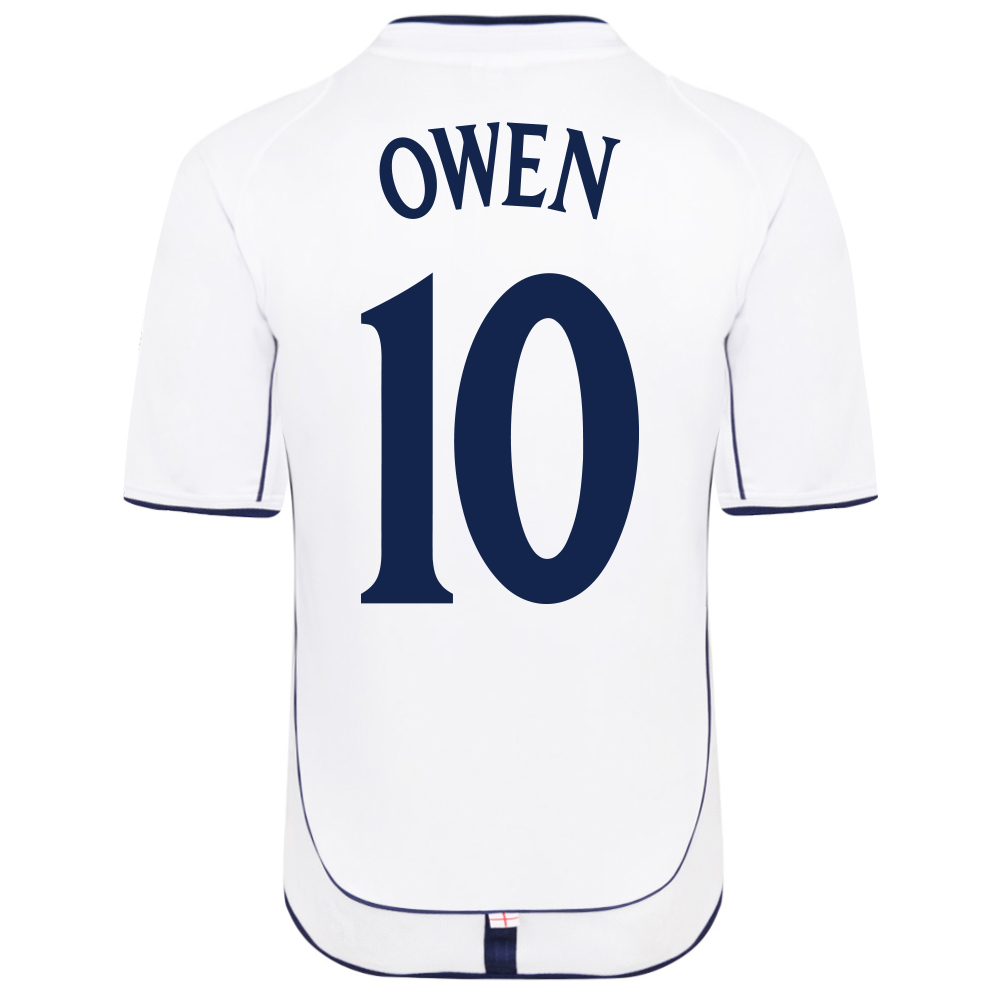
Michael Owen was once the golden boy of English football, with blistering pace and a knack for scoring crucial goals. His career, however, was riddled with injuries that not only derailed his personal potential but also impacted the teams he played for. After winning the Ballon d’Or in 2001, Owen’s hamstring injuries became a recurring issue. His pace, which was his most dangerous asset, gradually diminished, and Liverpool lost their once-lethal striker as his form and fitness waned.
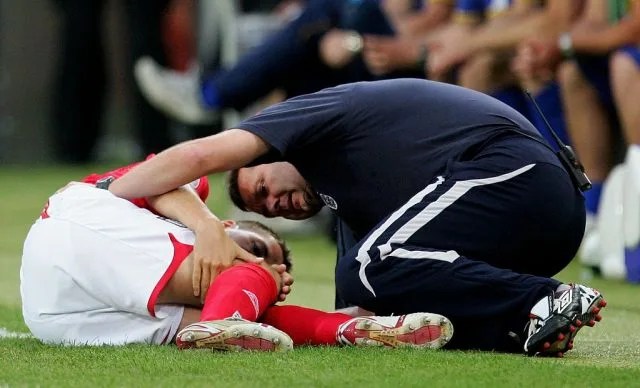
Owen’s injuries also haunted England in key tournaments, especially at the 2006 World Cup, when he suffered a knee injury in the group stages that ruled him out for the remainder of the tournament. His absence left England short of attacking options, contributing to their quarter-final exit. The loss of Owen, a striker capable of changing a game in an instant, was a significant blow both for Liverpool and England.
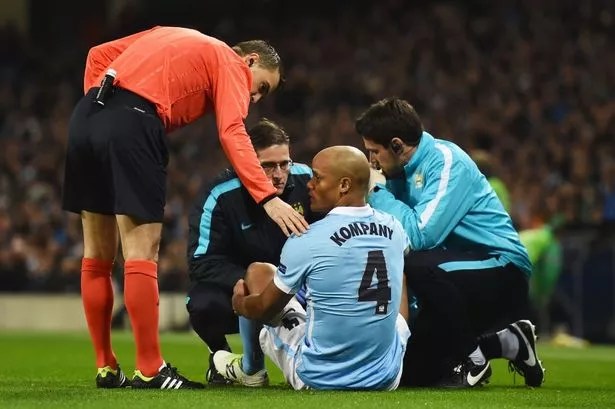
5. Vincent Kompany – Manchester City
Vincent Kompany was the heart and soul of Manchester City’s defence for over a decade. A commanding presence on the pitch and an inspirational leader, Kompany’s performances were instrumental in City’s rise to dominance in English football. However, his career was blighted by persistent injuries, particularly to his calf, which saw him miss significant periods of the 2015-16 and 2016-17 seasons.
Without their leader at the back, City’s defence often looked shaky, and his absence was keenly felt in key matches. Despite their wealth of talent, City struggled to replace Kompany’s leadership and defensive organisation. His return for the 2018-19 season helped guide City to one of their greatest triumphs, winning the Premier League with a record 100 points, but it was his sporadic availability due to injury that left City vulnerable at critical moments.
6. Neymar – Brazil and PSG
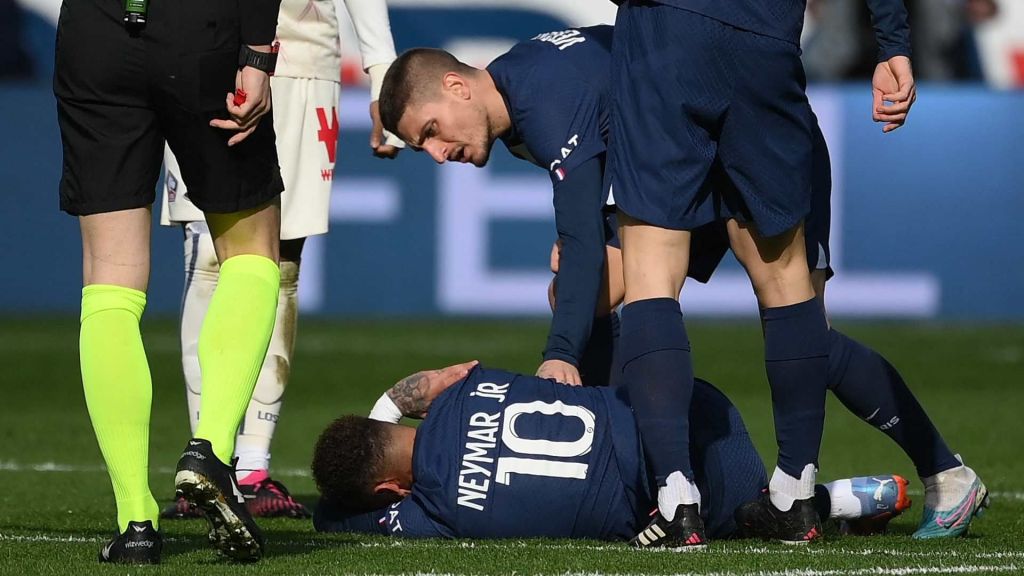
Neymar, one of the most expensive footballers in history, has had a career often interrupted by injury, particularly at crucial moments. For Brazil, Neymar’s injury at the 2014 World Cup, when he fractured a vertebra in the quarter-finals, was a huge blow. Without their talisman, Brazil suffered one of the most humiliating defeats in World Cup history, losing 7-1 to Germany in the semi-final.
Similarly, at Paris Saint-Germain (PSG), Neymar’s persistent injuries have kept him out of key Champions League knockout games. Signed to lead PSG to European glory, his absence in the critical stages of multiple Champions League campaigns has often left the French side short of firepower and leadership on the biggest stage, hampering their chances of lifting the coveted trophy.

Injuries are an inevitable part of football, but when they strike key players, the impact can be devastating for teams. Whether it’s the psychological blow of losing a leader like Vincent Kompany, or the tactical shift required to cope without a creative genius like Neymar, the absence of a star player can derail even the most talented squads. These stories serve as a reminder of how fragile success can be in football, where the fate of a team can sometimes hinge on the fitness of just one player.
Injuries are part of football, but sometimes they strike so hard that entire teams are derailed, seasons crumble, and campaigns full of promise fall apart. Whether due to a string of bad luck, mismanagement, or physical strain, some teams have endured injury crises so severe that they’ve had lasting effects on their fortunes. Here are some of the worst team injury impacts in football history that completely shifted the trajectory of their seasons.
1. Arsenal – 2007/08 Season
Arsenal’s 2007-08 season is a classic case of how injuries can derail a team with title-winning potential. Arsène Wenger’s side, known for their slick, attacking football, looked primed to win the Premier League for the first time since the Invincibles season of 2003-04. For much of the season, Arsenal led the table, but the campaign took a sharp turn in February when two key players were lost.
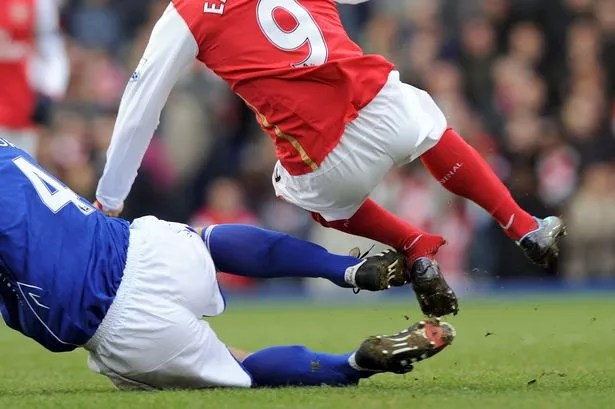
In a horrific incident, striker Eduardo suffered a career-threatening leg break in a match against Birmingham City. The psychological impact of the injury on the team was immense, as the players visibly struggled after witnessing the incident. Simultaneously, midfield powerhouse Tomas Rosicky was also ruled out for the remainder of the season due to a persistent hamstring injury. These losses, combined with a loss of confidence, led to Arsenal slipping in the title race, eventually finishing third. Many fans believe that had these injuries not occurred, Arsenal would have lifted the Premier League trophy that season.
2. Liverpool – 2020/21 Season
Liverpool’s 2020-21 season is one of the most striking examples of how a sudden injury crisis can destroy a team’s form. After cruising to their first Premier League title in 30 years in 2019-20, Jürgen Klopp’s side looked ready to dominate again the following season. However, their campaign was decimated by defensive injuries, particularly to their key players.
In October 2020, Virgil van Dijk, arguably the best centre-back in the world at the time, suffered an ACL injury in a clash with Everton’s Jordan Pickford, ruling him out for the season. Not long after, Liverpool’s other first-choice defenders, Joe Gomez and Joel Matip, were also sidelined for extended periods with serious injuries.
The defensive crisis forced Klopp to field inexperienced players and midfielders like Fabinho and Jordan Henderson as makeshift centre-backs, which disrupted both their defense and midfield balance. The result was a dramatic dip in form, a six-game losing streak at Anfield, and a season that, while salvaged with a third-place finish, fell far short of expectations.

3. Real Madrid – 2014/15 Season
Real Madrid’s 2014-15 season, under Carlo Ancelotti, was shaping up to be a historic one. After winning the Champions League and Copa del Rey in the previous campaign, Madrid looked unstoppable, going on a 22-game winning streak. However, their season took a nosedive due to injuries to key players at the worst possible time.
Luka Modric, the heart of Madrid’s midfield, suffered a serious knee injury midway through the season. His absence left a creative void in the team, as he was instrumental in linking play between defense and attack. Alongside Modric, James Rodríguez, who had been in scintillating form, also picked up injuries. Sergio Ramos, Madrid’s defensive leader, was out for critical parts of the season, leaving their backline vulnerable.
Without these key players, Madrid’s form dipped. They were knocked out of the Champions League by Juventus in the semi-finals and lost out to Barcelona in the La Liga title race. Injuries to these pivotal players were widely seen as the main reason Madrid’s all-conquering form came to a halt.
4. Borussia Dortmund – 2014/15 Season
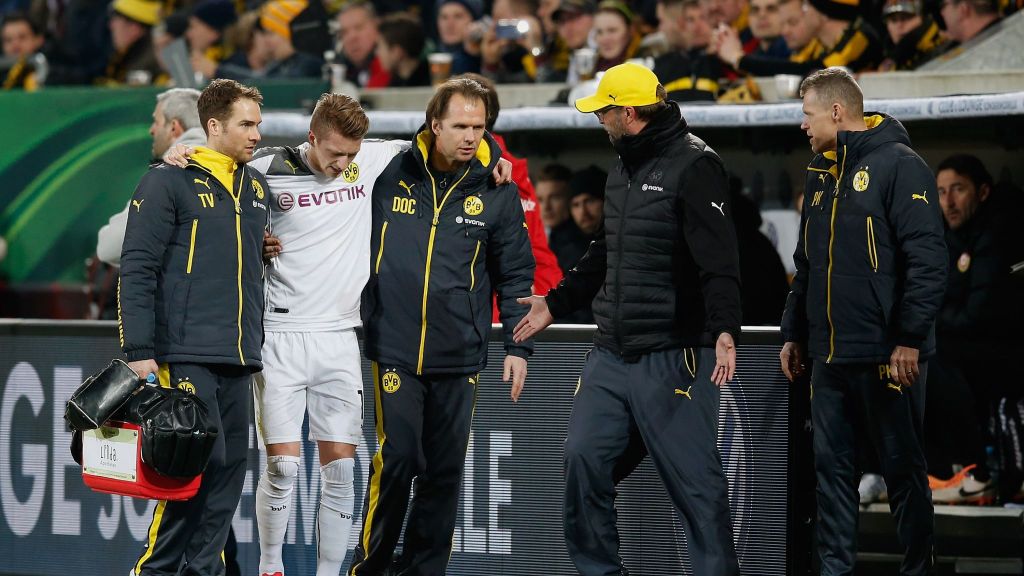
The 2014-15 season was a nightmare for Borussia Dortmund, who went from Champions League finalists in 2013 to bottom of the Bundesliga table at one point, largely due to an injury crisis. Marco Reus, their talismanic attacking midfielder, suffered multiple injuries throughout the season, most notably an ankle ligament tear that kept him out for months. Without him, Dortmund’s attack lacked creativity and a goal-scoring threat.
In addition to Reus, Dortmund’s defense was decimated by injuries. Key defenders like Mats Hummels and Łukasz Piszczek were sidelined for significant portions of the campaign, leaving the backline exposed. The midfield was also weakened by the absence of Ilkay Gündogan, who was recovering from a long-term back injury.
These injuries contributed to Dortmund’s freefall in the league, with the team hovering dangerously close to relegation for much of the season. While they eventually finished seventh, securing a Europa League spot, the injury crisis nearly spelled disaster for one of Germany’s biggest clubs.
5. Barcelona – 1999/2000 Season
Barcelona’s 1999-2000 season remains one of the most shocking collapses in the club’s modern history, largely due to a spate of injuries that ravaged the team. The most significant of these was to their Brazilian superstar Rivaldo, who had been in brilliant form, but his injury at a crucial juncture in the season was a major blow.
In addition to Rivaldo, key players like Luis Figo and Pep Guardiola were either sidelined or playing through injuries. Barcelona‘s squad depth was exposed, and their results began to suffer. Despite being one of the favorites for the La Liga title, the team fell apart in the second half of the season. Barcelona finished a disappointing second in La Liga, and their injury woes contributed to a quarter-final exit in the Champions League.
6. Manchester United – 1997/98 Season
The 1997-98 season was shaping up to be another dominant campaign for Manchester United under Sir Alex Ferguson, but a brutal injury crisis, particularly in the latter stages of the season, allowed Arsenal to overtake them in the title race. The most significant blow came with the injury to United’s key players like Ryan Giggs and Roy Keane.
Giggs, with his pace and ability to stretch defences, was a key creative force on the left, and his absence was particularly felt in crucial matches. Roy Keane’s absence left a gaping hole in midfield, with United struggling to replace his leadership and combative style. As a result, United’s title challenge faltered in the final weeks, with Arsenal winning the league and denying Ferguson’s side a third consecutive title.
Injuries can change the course of a season in football, and for some teams, they completely unravel what could have been a glorious campaign. Whether it’s a defensive collapse, a loss of creative spark, or simply a lack of leadership on the pitch, injuries can turn potential champions into teams fighting for survival. These examples show that even the best squads, when struck by bad luck, can crumble under the weight of an injury crisis.
SHOP a huge range of official hero shirts at 3Retro.com

 thehexblog.com