
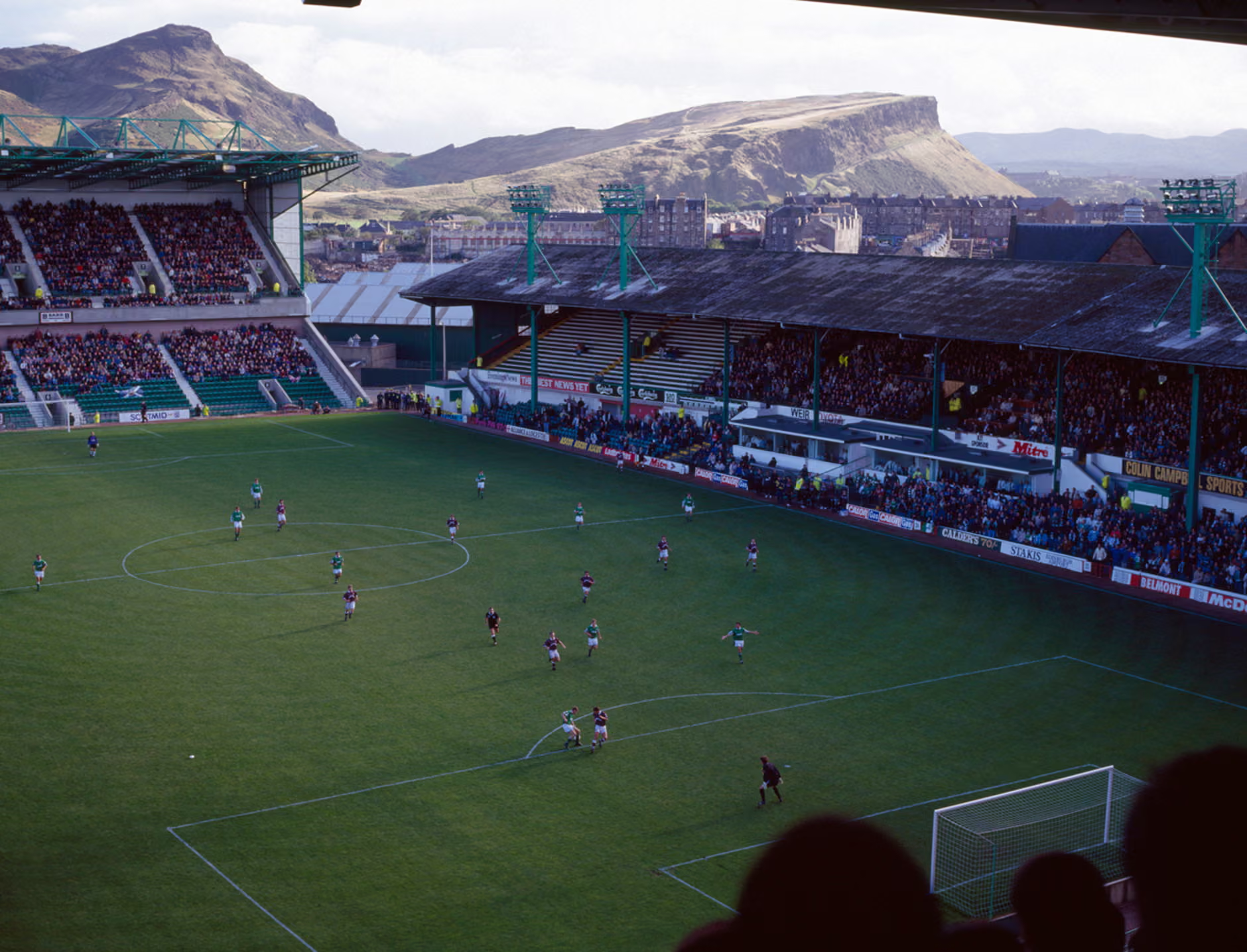
Ask someone outside Scotland what Scottish football is, and you will usually get the same answer.
Celtic and Rangers. The Old Firm. Glasgow. Noise, history, rivalry.
That is not wrong, but it is incomplete in a way that borders on unfair. When the world only checks in for two clubs, it misses what Scottish football actually is; a dense, multi-layered football culture, built on smaller communities, outrageous storylines, tactical influence, and a wider global influence that is hardly ever mentioned.
Scottish football is a whole ecosystem. It is the chaos of a Friday night away trip to a stadium wedged between tenements. It is the romance of a cup run that briefly makes a town feel like the centre of the world. It is the frustration of seeing your league treated like an afterthought by broadcasters, while your grounds fill anyway because supporters here simply do not do football casually.
And once you start digging, the depth gets ridiculous.
Beyond the Old Firm: when the rest of Scotland crashed the party
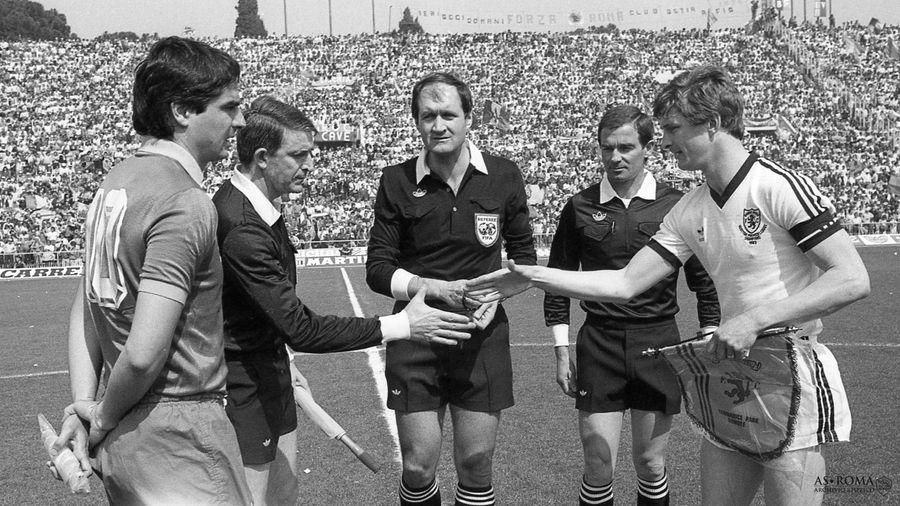
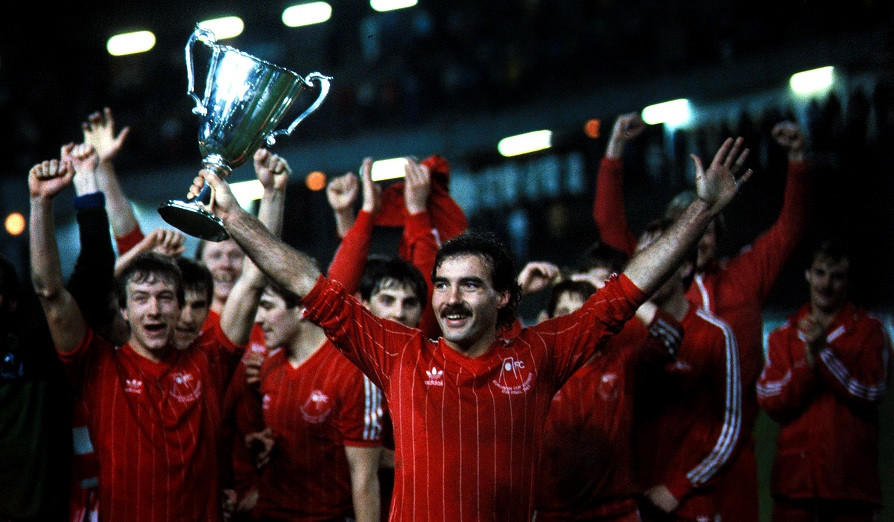
In the 1980s, Scottish football produced a genuine disruption that still feels almost impossible in the modern game. Dundee United and Aberdeen did not simply have a good spell; they kicked in doors that were supposed to be locked forever.
Dundee United reached the European Cup semi-final in 1984, beating teams like Barcelona on the way. Their run is still talked about with a mixture of pride and fury because the exit was not just heartbreak, it has long been tied to scandal. Roma’s president was later banned by UEFA for attempting to bribe the referee Michel Vautrot ahead of that semi-final second leg, which only deepened the sense that a Scottish club had been pushed aside when it got too close to the elite table.
Aberdeen went even further. Under Sir Alex Ferguson, they won the European Cup Winners’ Cup, then beat European Cup holders Real Madrid, remaining the last team to beat Los Blancos in a major European final! The dons followed it up by winning the UEFA Super Cup, ranking as the number 1 side in Europe after the cup wins. Those are not “nice moments”, those are major European trophies.
The point is not nostalgia. The point is that Scotland’s football identity is bigger than one rivalry. Scottish clubs have repeatedly proved they can rise, disrupt, and matter, even when the wider football world is not paying attention.
A nation that turns up: the numbers behind the obsession
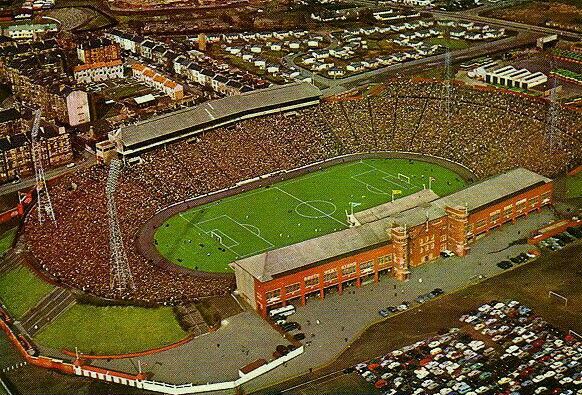
There is one statistic that sums Scottish football up better than any marketing slogan could.
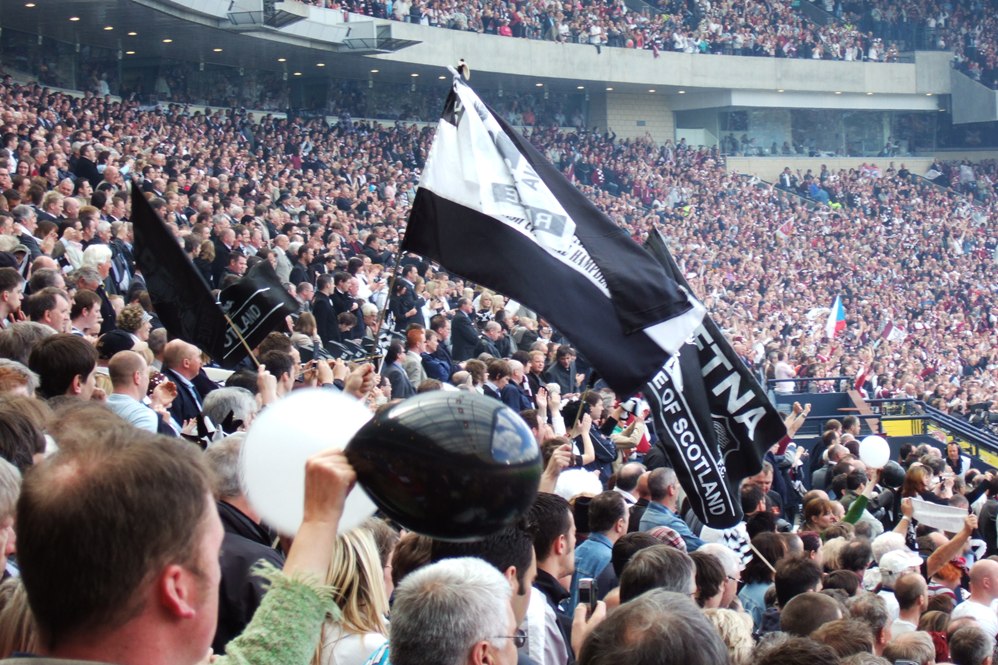
Per head of population, Scotland consistently posts the highest top-flight football attendance in Europe. In the 2024/25 season, the SPFL reported 18.5 match attendees per 1,000 people for the Premiership, far ahead of the next best league on the continent, where Portugal rank second at just 10.5 people per 1000.
This matters because it cuts through lazy narratives. Scotland is a small country. Our clubs DON’T have the global commercial pull of the Premier League. Our TV deal IS modest. Our stadiums AREN’T mega arenas. And yet, people go in huge numbers, every week, in all weathers, across the entire country.
If you want historical proof that this is not a modern blip, look at the crowds Scottish football once pulled. Hampden Park boast the European attendance record at both international and club level, with figures almost touching 150,000.
The pioneers Scotland rarely gets credit for
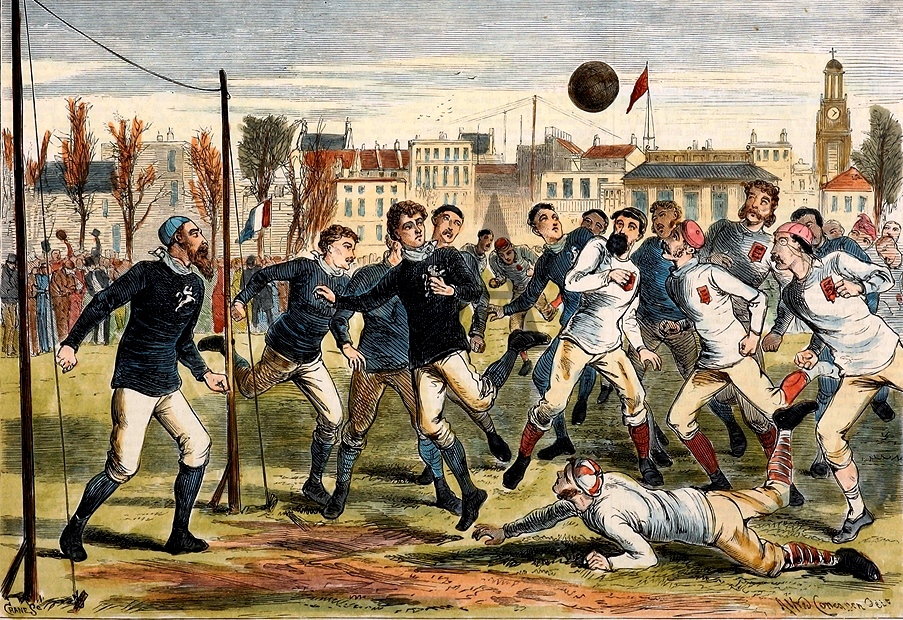
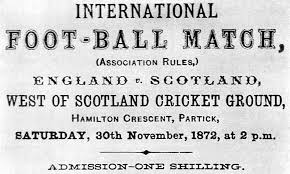
Scottish football did not just develop inside Scotland. It travelled, it taught, and it shaped football elsewhere.
Scotland is often linked to the early evolution of combination play, the passing game, and team structure. While other places leaned on individual dribbling and direct running, Scottish sides became associated with a more collective, “scientific” approach to movement and passing.
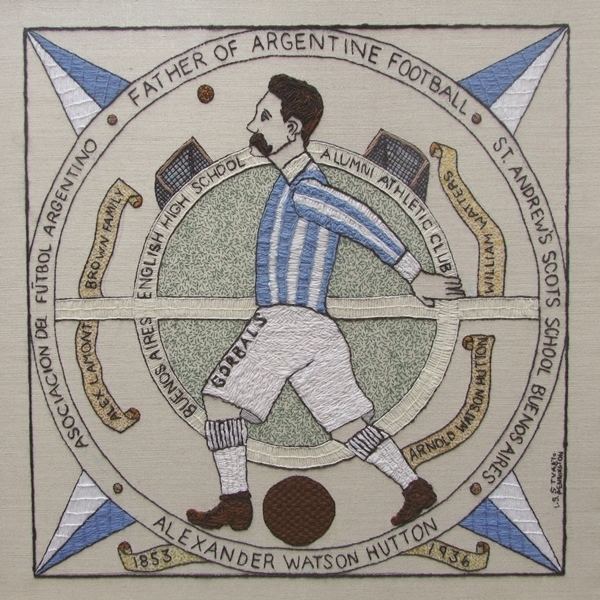
That influence did not stay at home. It moved with Scottish workers, teachers, and communities across the world. Nowhere is that story more fascinating than Argentina. If you want a single figure to anchor Scotland’s Argentine influence, start with Alexander Watson Hutton.
Watson Hutton was a Glasgow-born teacher who moved to Buenos Aires in the 1880s. He taught at St Andrew’s Scots School, then founded the Buenos Aires English High School, and he is widely regarded in Argentina as the “father of Argentine football”. In 1893 he helped found the Argentine Association Football League, which is the predecessor of today’s Argentine Football Association.
But wait, it goes deeper.
Before 1893, there was a significant early burst of organised football in 1891 that is often described as the first football league outside the British Isles. It was founded by Alec Lamont of St Andrew’s Scots School, and the early clubs involved were tightly linked to British and Scottish communities, including railway workers and Scots-based teams.
St Andrew’s Athletic Club, established by Scottish immigrants connected to the school, is recognised as the first champions of Argentina’s earliest league structure, sharing top spot with Old Caledonians before a deciding match for medals.
Watson Hutton’s school team evolved into Alumni Athletic Club, a team that became the giant of Argentina’s early football era. Alumni won 10 Primera División titles between 1900 and 1911 and a total of 22 trophies across domestic cups and international competitions in that amateur period.
And it was not only Watson Hutton. Scottish communities in Buenos Aires built schools, clubs, and sporting institutions that normalised football as part of education and community life. St Andrew’s Scots School itself dates back to the 1830s and explicitly references Scottish immigrant roots, and it developed sporting structures that helped embed football locally.
When people talk about football influence in South America, they often jump straight to tactics in the 1970s or player development in the 2000s. Scotland’s link is older than that. It is part of the roots.
The TV deal problem: why Scottish football feels undervalued
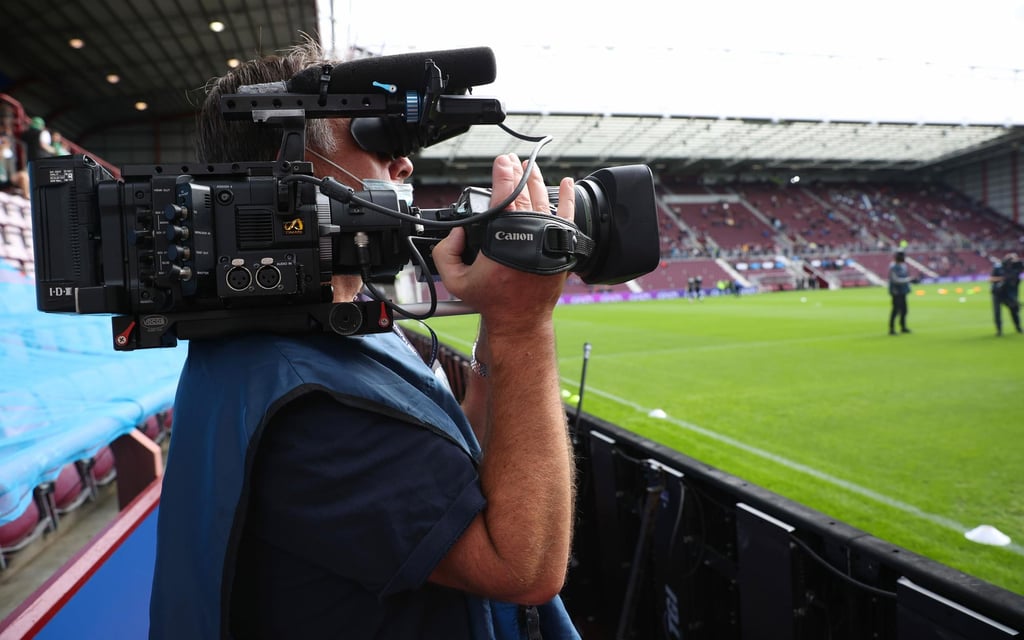
Here is the frustration that sits under all the romance. Scottish football often feels like it is being sold short. The current domestic deal with Sky is widely reported around £30m per season, with Sky able to show up to 60 Premiership matches per season but rarely using all of their permitted games.
That number sounds large until you compare it to what other leagues receive and, crucially, how much content gets shown. The English Football League’s deal with Sky is worth £895m over five years, and it massively expands coverage to more than 1,000 matches per season.
This comparison matters because it highlights the real issue for Scotland: availability and visibility. Scottish fans and clubs are constantly told the league is hard to sell, yet the product is rationed, the coverage is limited, and the storytelling around it is often shallow. If broadcasters only show a small slice of the league, you cannot then act surprised that the wider public only knows a small slice of the league.
Then there is the fan experience side. In Scotland, many supporters feel they pay high costs for a combination of limited live matches, fragmented subscriptions, and inconsistent scheduling. At the same time, the league has a passionate base and a unique product: full grounds, genuine rivalry across the pyramid, and constant jeopardy.
So why does it still feel disrespected?
Because the deal does not just determine money. It determines status. It determines how often the football is seen, how well it is packaged, and whether the rest of the UK and the global audience get exposed to the league beyond the same familiar and repetitive headlines.
Scottish football does not need to pretend it is the Premier League. It needs a broadcast strategy that suits what it actually is: a league with intensity, tradition and stories that broadcasters rarely bother to tell.
The craziest stories, because Scotland always has them
One of the reasons Scottish football is impossible to summarise is that its history is full of plots that sound made up.
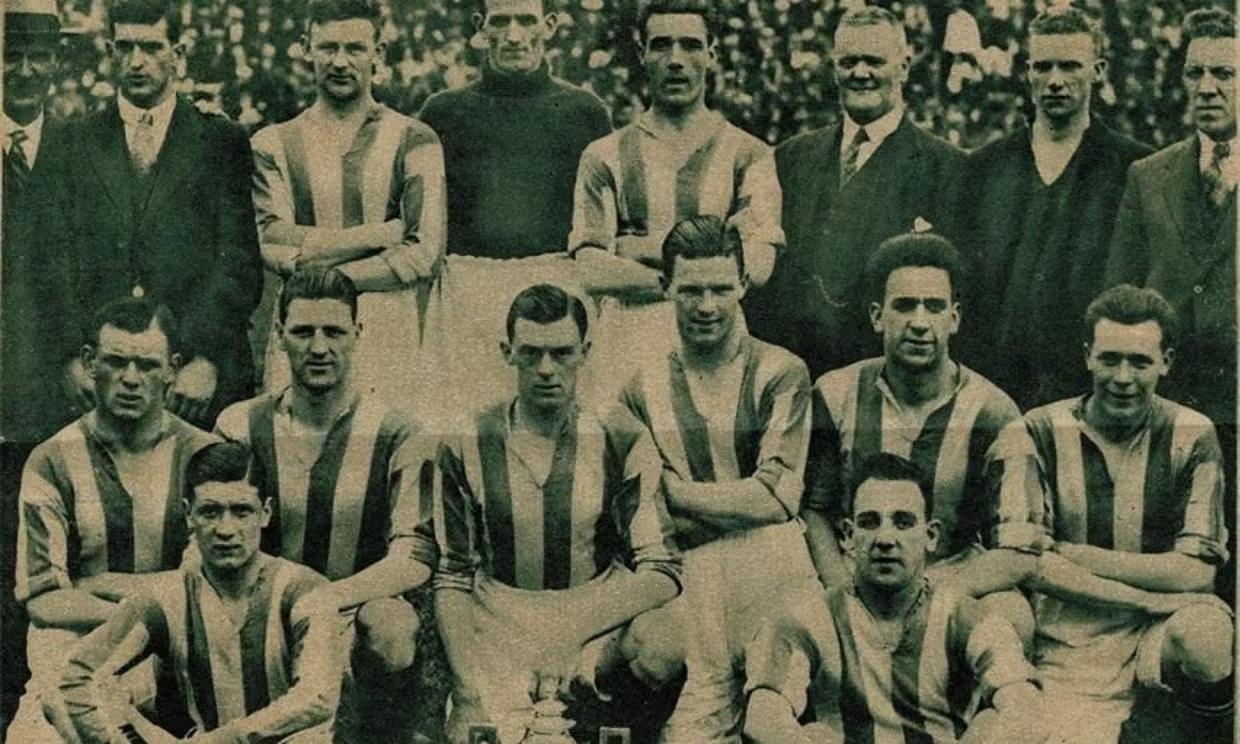
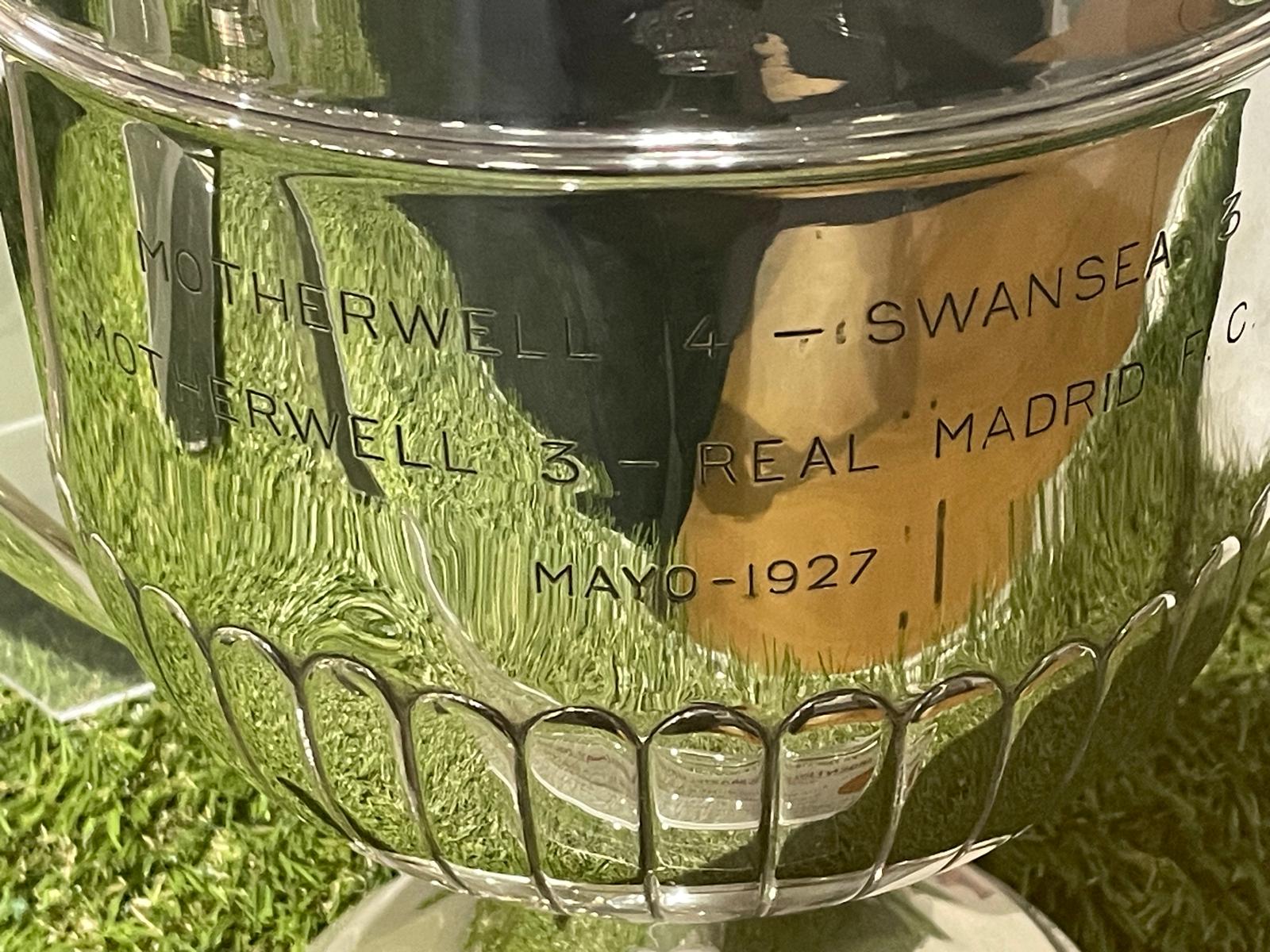

Start with Motherwell:
In 1927, Motherwell travelled to Spain for a one-off tournament in Madrid often referred to as an unofficial Copa del Rey. They beat Swansea 4-3, then defeated Real Madrid 3-1 in the final at the Estadio Chamartín. It is still talked about as one of the strangest and greatest foreign cup wins in football history.
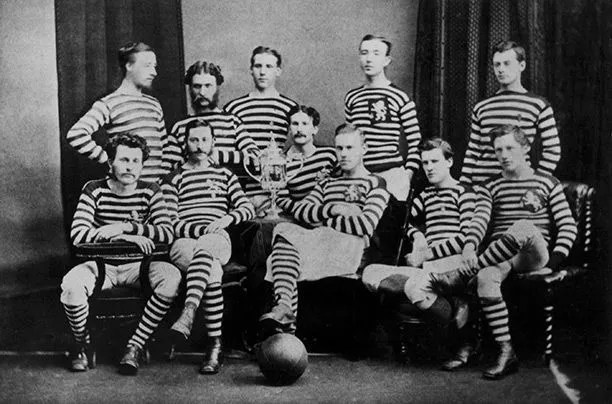
Then there is Queen’s Park:
Queen’s Park reached two English FA Cup finals in the 1880s, which remains extraordinary given they were a Scottish club competing in another country’s cup. The story gets even more Scottish when you hear the financial reality behind it. After reaching the semi-final stage of the competition one year, they were forced to withdraw from a replay because they did not have the money to travel and do it again. It is a common theme that shows up around Scottish football, ambition constantly colliding with economic reality.
And then there is Gretna:
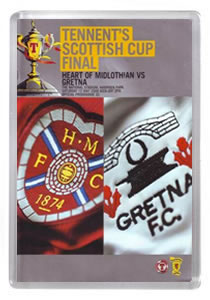
Gretna’s rise remains one of the wildest modern stories in Scottish football: a small-town club climbing rapidly through the divisions, reaching the 2006 Scottish Cup Final, then tumbling into crisis when their funding collapsed. In 2008, they went into administration and the club was liquidated.
Scottish football always lives on the edge between glory and disaster, sometimes in the same season.
Closing thoughts: why the chaos is the point
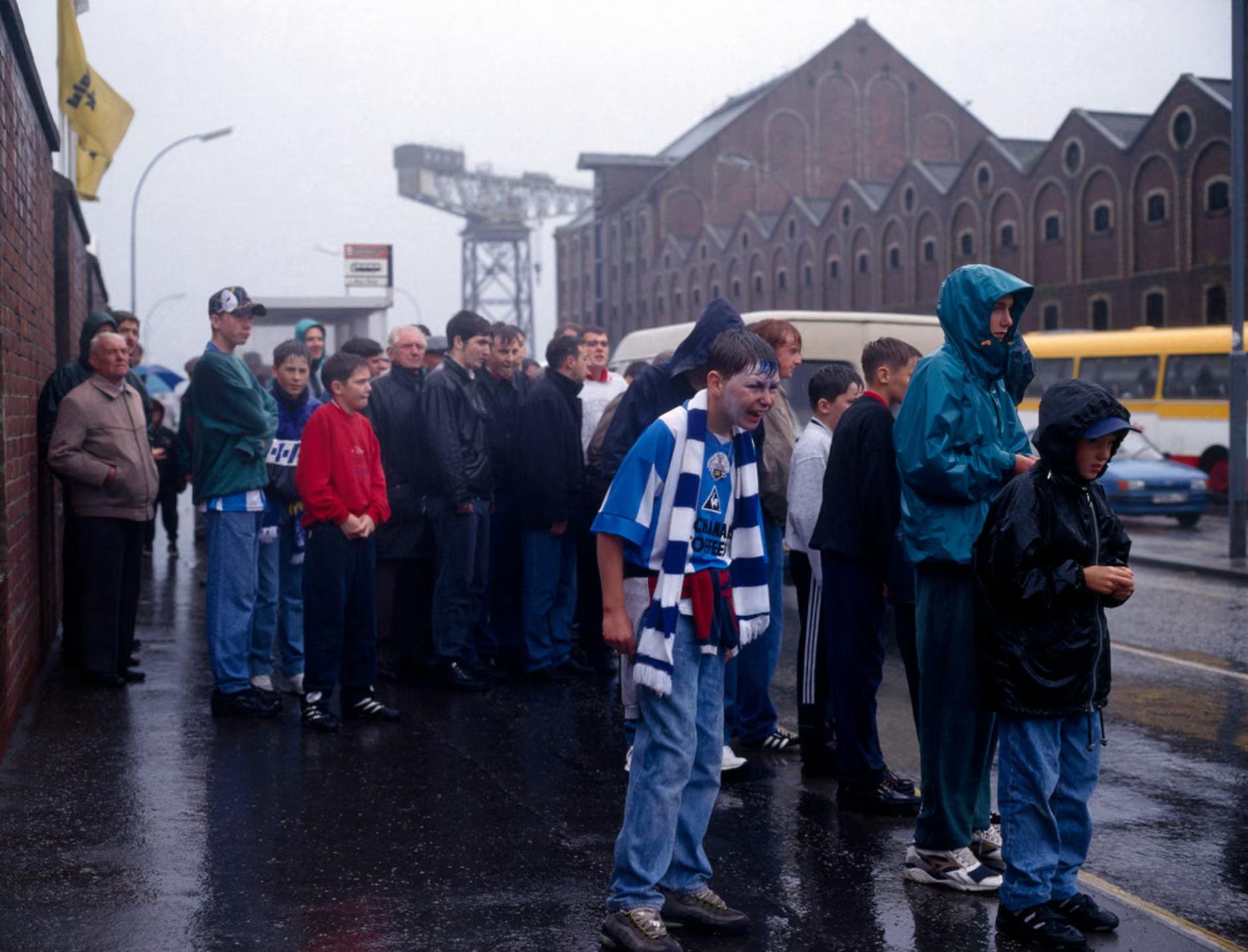
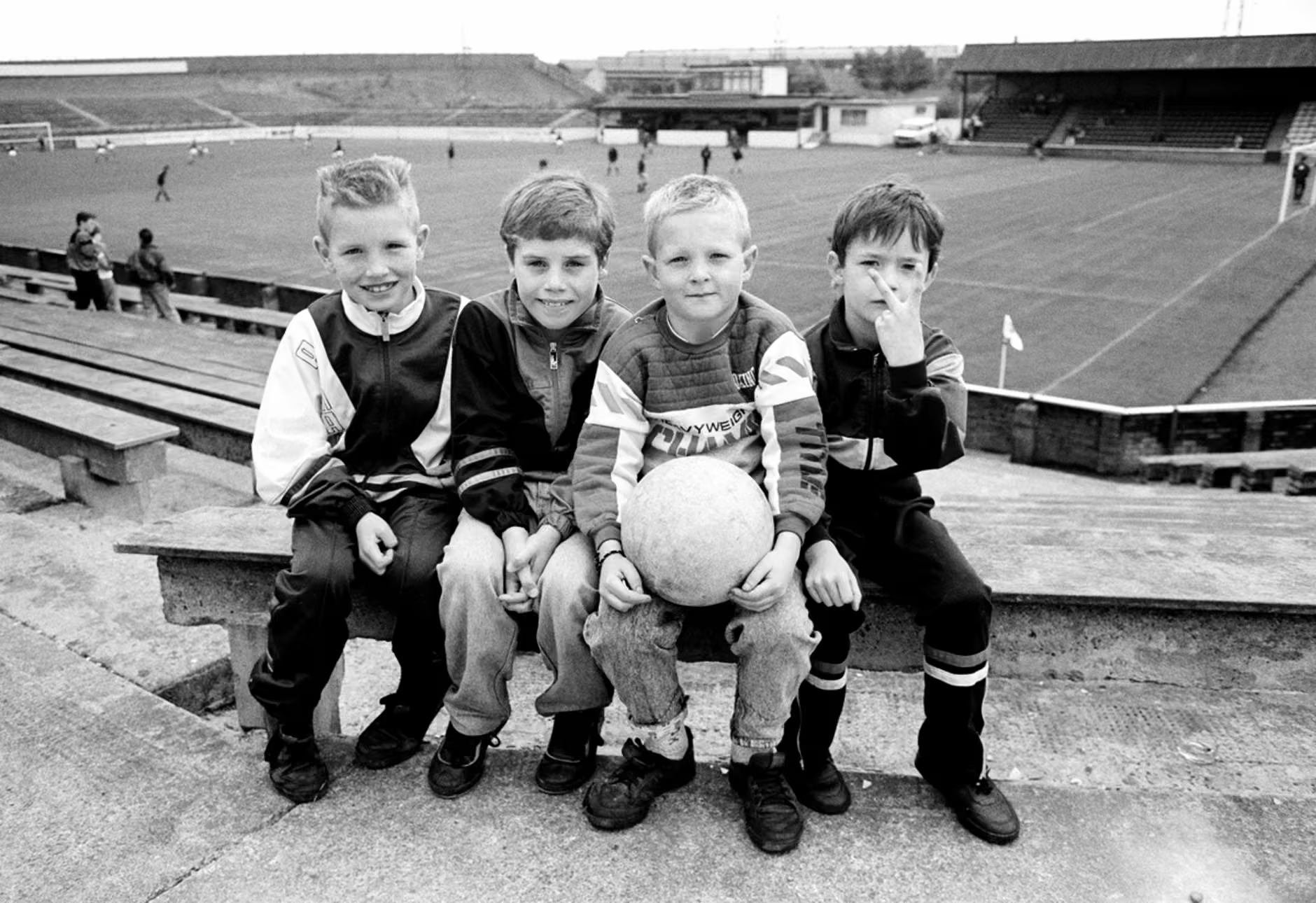
Scottish football is not tidy.
It is not always well marketed. It is not always fairly funded. It is not always respected by broadcasters or outsiders. It can be mad, contradictory, and stubbornly resistant to becoming “modern” in the way other leagues have.
But that is exactly why it is brilliant.
This is a football culture where history still breathes, where communities still matter, where crowds show up in numbers and where Scotland’s influence stretches far beyond its size, all the way to the foundations of Argentine football and the shaping of the global game.
Scottish football is chaos. Scottish football is complex. Scottish football is amazing.
And if you understand it properly, it is not just underrated.
It is the best in the world.
Written by Finlay Crockart from Football Park Scotland

SHOP the official Scotland retro collection at 3Retro.com

 thehexblog.com