
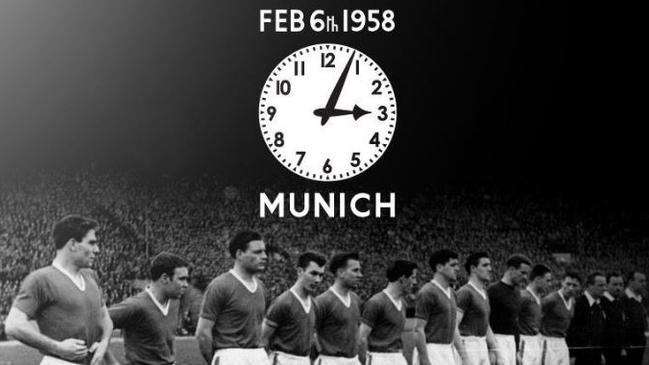
On February 6, 1958, the world of football witnessed one of its darkest moments when a plane crash in Munich, Germany, claimed the lives of several members of the Manchester United football team. This tragic event not only left an indelible mark on the club but also had a profound impact on the sport as a whole.
On that ill-fated day, a British European Airways flight, BEA Flight 609, attempted to take off from Munich-Riem Airport. The plane was carrying the Manchester United team known as the ‘Busby Babes’ that we’re returning home after successfully beating Red Star Belgrade in the European Cup quarter final. However, due to adverse weather conditions and a two failed take-off attempts, the plane crashed on it’s third attempt, resulting in the loss of 23 lives.
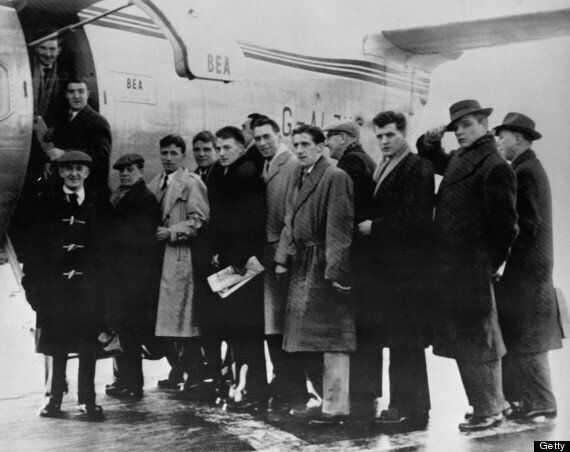
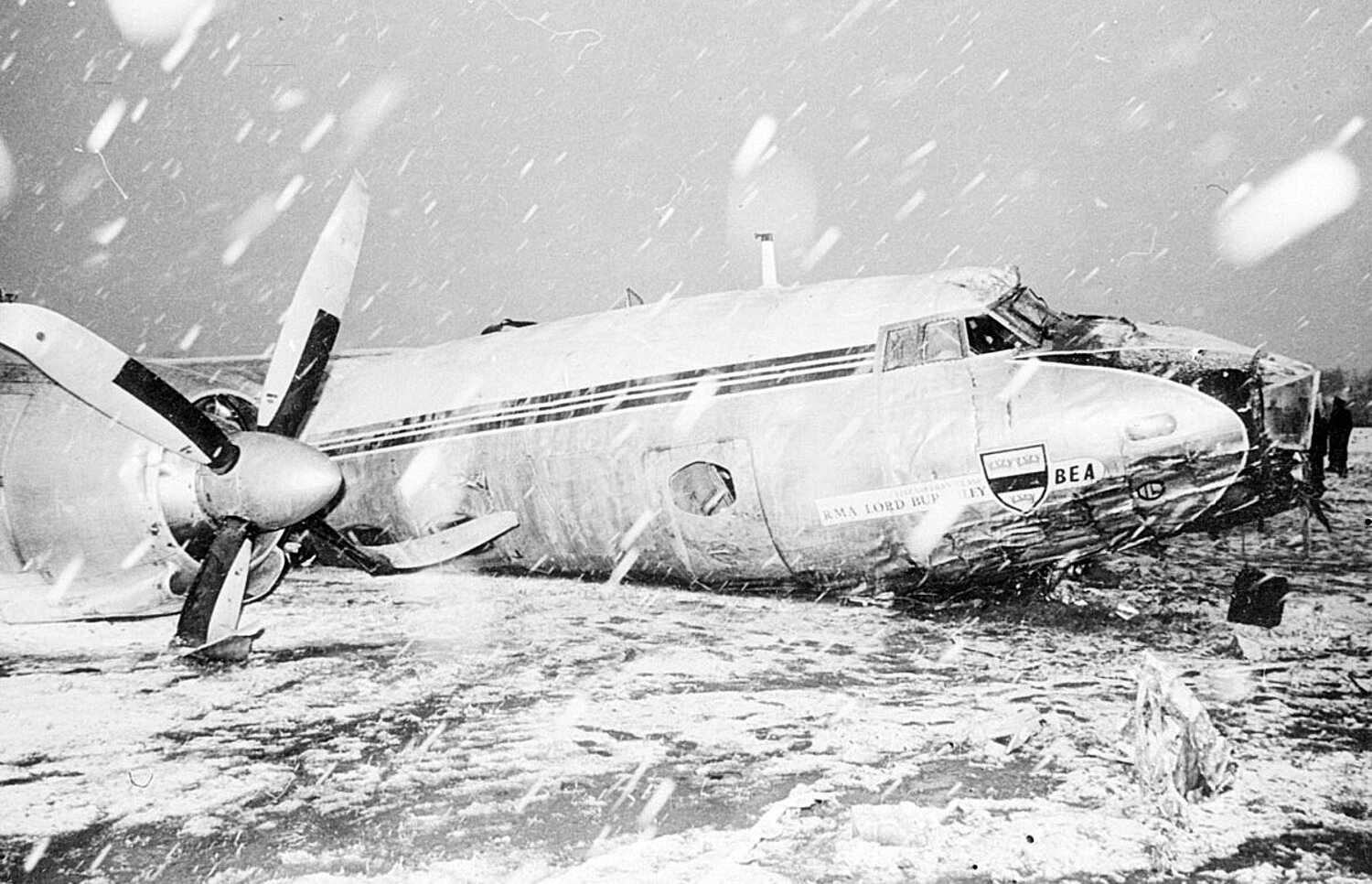
The victims including players, coaches, journalists and passengers:-
Players:
Roger Byrne (28) – Captain and left-back, Tommy Taylor (26) – Striker, Duncan Edwards (21) – Midfielder, Mark Jones (24) – Centre half, Eddie Colman (21) – Midfielder, David Pegg (22) – Outside left, Geoff Bent (25) – Full-back, Liam Whelan (22) – Inside right.
Coaching Staff:
Walter Crickmer – Club Secretary, Bert Whalley – Chief Coach, Tom Curry – Trainer
Journalists:
Frank Swift (former MCFC player), Alf Clarke, Don Davies, George Follows, Tom Jackson, Archie Ledbrooke, Henry Rose, Eric Thompson.
Crew Members and Passengers:
Kenneth Rayment (Co-Pilot), Tom Cable (Steward), Bela Miklos (Travel Agent), Willie Satinoff (Supporter)
We pay homage to the talented players who perished in the Munich Air Disaster. Their youth, potential, and passion for the beautiful game left an indelible mark on the footballing world. The sad loss of young prodigy Duncan Edwards, who promised to become one of England’s greatest footballers, and Tommy Taylor, the prolific striker who had already achieved so much in his short career.
The guiding lights of the club we’re also diminished in the crash with the loss of club secretary Walter Crickmer and coaches Bert Whalley and Tom Curry who were pillars of support for the young team and dedicated to the nurturing young Busby Babes. We also remember the journalists and other passengers who shared the tragic flight that day. They were not just observers but also contributors to the world of football. We acknowledge their roles and connections to the sport.
Of the 44 occupants on board that flight, 21 managed to survive the crash, including manager Matt Busby and players such as Bobby Charlton, Bill Foulkes, Dennis Viollet, Harry Gregg, Johnny Berry, Jackie Blanchflower, Ken Morgans, Albert Scanlan and Ray Wood. Some of whom would never fully recover from the injuries and play again.
Manchester United embarked on a rebuilding process under the leadership of Jimmy Murphy as Matt Busby recovered from his injuries. Within just three months, the patched up Manchester United side reached the FA Cup final and four of the survivors from the crash started the match against Bolton Wanderers. They also reached the semi-finals of the European Cup. However, their league form suffered after the crash and their title challenge faded as they finished ninth in the table.
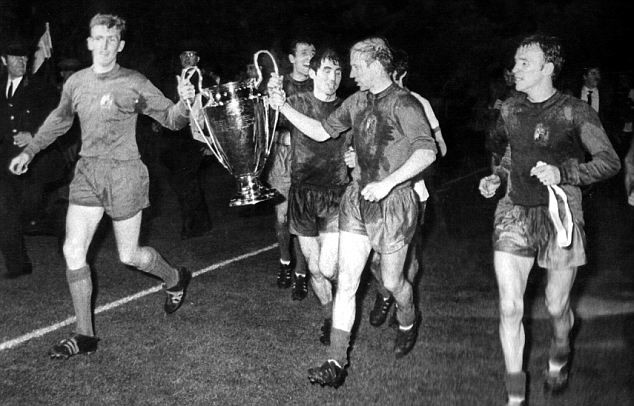
After a decade of rebuilding, Busby had once again become Champions of England and in 1968 become Champions of Europe for the first time when they beat Benfica 4-1 in the European Cup Final at Wembley.
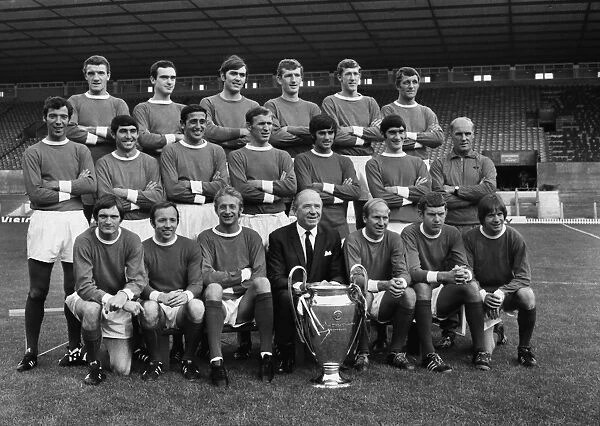
“The Flowers of Manchester” is a poignant tribute and song dedicated to the victims of the Munich Air Disaster. It was composed in memory of the tragedy that struck the Manchester United football team on February 6, 1958. The song serves as a heartfelt and enduring remembrance of the lives lost in the disaster. The Munich Air Disaster remains a somber chapter in the history of football, serving as a reminder of the fragility of life and the resilience of the human spirit. It forever changed Manchester United and left an indelible mark on the sport, reminding us of the power of unity and the enduring legacy of those who perished.



SHOP the Admiral Sportswear Collection at 3Retro.com

 thehexblog.com
A good read, and sad reminder of MUFC history. Not the only club to suffer this tragic fate. AS Roma in 48 ( i think) and Capacoense more recently.
LikeLike
My apologies, wrong info, as it was Torino and not Roma involved in air crash. 🙏🏻
LikeLike
Hi Nicky,
Quite correct, the Munich disaster is not the only footballing tragedy unfortunately. The entire Torino team was wiped out in the Superga Air disaster.
Thanks for reading!
LikeLike